Table of Contents
ToggleIn Skyrim, the line between melee combatant and mage doesn’t have to be drawn in stone. One of the most versatile and underrated armor sets for hybrid playstyles is Spell Knight Armor, a gear setup that lets you tank damage while slinging spells like a destruction mage, or blend weapon skills with magical oomph without sacrificing too much defense. Unlike pure heavy armor builds that dump all points into Smithing and Restoration, or glass cannon mages that crack under pressure, spell knight gear gives you the flexibility to adapt mid-fight. This guide covers everything: where to grab it, how to craft it, what enchantments synergize best, and how to build a character that actually feels powerful and fun instead of stretched thin across too many skill trees.
Key Takeaways
- Spell Knight Armor combines light or medium armor (Elven, Glass) with spell-boosting enchantments to create a versatile hybrid playstyle that adapts to any combat encounter without sacrificing spell casting speed.
- Target 300–400 armor rating and stack Fortify Destruction, Magic Resistance, and elemental defense enchantments to balance offensive spell power with survivability.
- Craft Spell Knight Armor yourself using Smithing perks (Elven Smithing at level 30, Glass Smithing at level 70) rather than relying on random loot drops for better control over your gear.
- Prioritize Destruction (50–75), Smithing (40–60), and Enchanting (50–70) skills, with secondary investment in Restoration for healing sustainability and One-Handed for melee versatility.
- Use a one-handed weapon paired with Destruction spells for the optimal combat rhythm, opening fights with ranged spells and switching to melee or healing based on threat level.
- Modding with Ordinator (perks overhaul) and Immersive Armors greatly enhances Spell Knight viability on high difficulties by adding new enchanting synergies and appearance options unavailable in vanilla Skyrim.
What Is Spell Knight Armor in Skyrim?
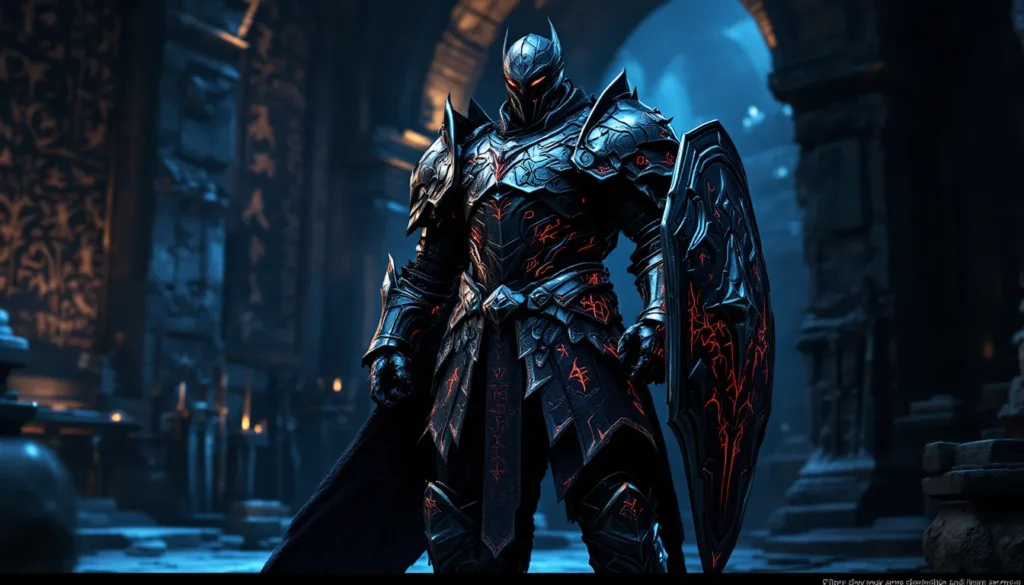
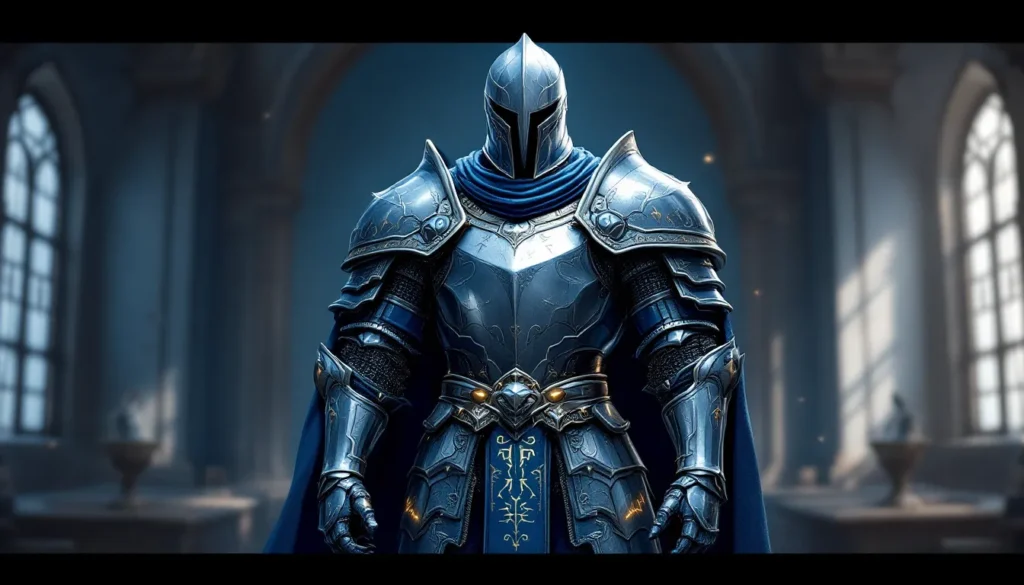
Spell Knight Armor isn’t a single, branded set you’ll find listed in game menus, it’s a playstyle term for light or medium armor pieces that balance physical defense with magic affinity. Think of it as armor that doesn’t penalize you for casting spells the way heavy plate does. The concept combines lighter armor values with enchantments that boost spell power, magic resistance, or mana efficiency, letting a warrior feel like a spellcaster and vice versa.
In practical terms, you’re looking at gear like Elven Armor, Glass Armor, or curated pieces from various sets that can be mixed and matched. The appeal is clear: you get enough armor rating to shrug off sword strikes without becoming a slow, clunking tank, and you keep the stamina regen and movement speed needed to position for spells. Most successful spell knights run somewhere in the 300–400 armor rating range, not max defense, but respectable, while dedicating significant effort to Destruction, Conjuration, or Restoration.
The archetype thrives in Skyrim because the game rewards adaptability. Dragons don’t care if you’re a pure anything: they adapt to your tactics. A spell knight who can swap between frost spells, power attacks, and healing adjusts faster than a one-trick build.
Where to Find Spell Knight Armor
Locations and Loot Drops
Spell Knight Armor pieces don’t exist as a cohesive set in base Skyrim, but individual light and medium armor pieces that work for the archetype drop from specific sources. Elven Armor appears on high-level Thalmor agents and can be looted from the Thalmor Embassy or Elenwen’s residence. Glass Armor becomes common loot once you’re around level 36+, dropping from Falmer, Forsworn archers in Markarth, and bandit chiefs in dungeons. Steel Plate Armor is craftable early and surprisingly viable for a hybrid build if enchanted right.
For specific pieces, check these locations:
- Elenwen’s study (Thalmor Embassy) – Elven Armor, helm, gauntlets
- Ncor (bandits, level 36+) – glass and superior light armors
- Markarth forges and apothecaries – forsworn loot, often Elven or Steel Plate
- High-level dungeons (Blackreach, Bleak Falls Barrow) – mixed armor drops
You can also check merchant vendors in Solitude, Whiterun, and Markarth for ready-made pieces, though pricing scales with your level and Mercantile skill.
Crafting the Armor Yourself
Unless you’re hunting down random drops, crafting is the way to go. You’ll need the appropriate smithing perks and materials:
- Elven Armor: Requires Elven Smithing perk (Smithing 30), moonstone ore, and refined moonstone. Found in Halted Stream Camp, near Bleak Falls Barrow, and Lover’s Stone areas.
- Glass Armor: Requires Glass Smithing perk (Smithing 70), glass ingots, and moonstone. Glass ingots come from smelting refined glass ore at any smelter.
- Steel Plate Armor: The most beginner-friendly option. Just needs iron and steel ingots, abundant everywhere.
Once you hit the correct smithing level, head to any forge (Whiterun, Solitude, Markarth) and craft pieces individually. The advantage here is control, you can build your set piece by piece, enchant as you go, and swap in items that suit your playstyle without waiting for RNG to gift you the right drop.
For faster progression, combine ore gathering with transmutation spells (Alteration school) to convert iron ore straight into gold, or use console commands if you’re on PC and want to skip farming. Just remember that crafting to high levels is tedious but rewarding: you’ll get higher-quality armor and reduce your reliance on vendors.
Stats and Defensive Properties
Armor Rating and Physical Protection
Armor rating in Skyrim is your primary defense against physical damage. The formula is straightforward: higher rating = less damage taken per hit, with diminishing returns above ≈600 armor. For a spell knight, aiming for 300–450 armor is ideal, enough to survive tough encounters without overinvesting in Smithing perks.
Here’s how popular spell knight armor stacks up:
- Elven Armor: Base rating ~40 per piece. Full set (5 pieces) = ~200 base. Lightweight, doesn’t cripple stamina regen.
- Glass Armor: Base rating ~55 per piece. Full set = ~275 base. Heavier, but more protective. Looks amazing, which matters psychologically in long playthroughs.
- Steel Plate Armor: Base ~60 per piece early on, but doesn’t scale as well at high levels compared to Elven or Glass.
Remember: these are base values. Smithing perks (up to Daedric Smithing for 25% bonus per rank) and smithing skill enchantments double or triple these numbers. A maxed Elven Armor set with Smithing enchantments can hit 400+ rating easily.
The key insight: weight matters more than armor rating for casters. Glass Armor is heavier than Elven, and that extra weight reduces your spell cast speed slightly due to movement penalties. Most spell knights favor Elven unless they’re also running shields and heavy power attacks.
Magic Resistance and Elemental Defense
Armor rating doesn’t protect you from magic. That’s where Magic Resistance and elemental defenses come in. Base magic resistance in Skyrim is 0%, you’re vulnerable to every spell.
You gain magic resistance through:
- Perks: Alteration’s “Elemental Absorption” (-25% damage from spells), Destruction’s “Spell Absorption” (absorb 50% spell damage as magicka)
- Enchantments: Magic Resistance, Frost Resistance, Fire Resistance, Shock Resistance on gear
- Potions and Standing Stones: Mage’s Stone gives +50% magicka regen: potions of resist magic add 25–50% temporary resistance
- Shouts: Call Dragon and Become Ethereal reduce elemental damage temporarily
For a spell knight running Elven or Glass Armor, you’re not getting built-in elemental defense. This is why enchanting becomes critical. A piece of armor with Magic Resistance +25% and Fire Resistance +50% suddenly makes you viable against mages and dragons. Pair this with spells like Lesser Ward or Steadfast Ward (Restoration school), and you’re tanking hits that would vaporize a pure mage.
At level 40+, aim for 25–50% total magic resistance without potions. You won’t be immune, but you’ll feel the difference in dungeons packed with Mage enemies or when facing dragons that spam frost cones.
Best Enchantments for Spell Knight Armor
Offensive Enchantments for Spell Synergy
Your spell knight armor should amplify your magical output, not just tank damage. These enchantments create synergy:
Destruction Synergy:
- Fortify Destruction (helm, shoulders, hands, legs): +25–50% damage on Destruction spells. Stacks with difficulty scaling and perks. This is your bread-and-butter offensive enchantment.
- Fortify Magicka (chest, hands): Extra pool to cast more fireballs without chugging potions.
- Magicka Regen (helm, chest): Combined with high Magicka perks, you can cast continuously in moderately tough fights.
Conjuration Synergy:
- Fortify Conjuration (gloves, helm): Summons last longer and deal more damage. A single point here makes Daedric Lords feel overpowered.
- Summoner’s Amulet (crafted or found): Pairs with Conjuration gear for the meme-tier summon army playstyle.
Restoration Synergy:
- Fortify Restoration (helm, chest, shoulders, boots): Healing Hands and Close Wounds heal more per cast. At +50%, you can out-heal dragon breath damage.
Mixed Offensive:
- Spell Amplify or Magicka Absorption: Niche enchantments that convert spell damage into magicka. Useful against mages but overkill for most playthroughs.
Priority: Stack Fortify Destruction first, then Fortify Magicka and Magicka Regen to keep your spell rotation flowing.
Defensive Enchantments for Survivability
Offense wins fights, but defense keeps you alive to see the next one.
Elemental Defenses:
- Frost Resistance +50% (legs, feet, helm): Dragons and ice mages deal tons of frost damage. Halve it.
- Fire Resistance +50% (chest, arms): Second-most common elemental threat. Combine with Fortify Health for redundant survival.
- Shock Resistance +25% (hands, chest): Less common, but mages love it. Lower priority unless you’re speedrunning Nordic Ruin dungeons.
General Defense:
- Magic Resistance +25% (all pieces, but especially helm/chest): Blanket reduction across all spell damage. Invaluable against mages and spell-slinging dragons.
- Fortify Health (+25–50%, chest, helm): More health = more survivability. A single +50% on the chest piece gives you ~200 extra HP at level 40+.
Stamina & Movement:
- Fortify Stamina (legs, feet): Lets you power attack and dodge roll more. Underrated for hybrid builds.
- Muffle or Fortify Sneaking (boots): If you’re running a stealth-hybrid, this lets you position before combat.
Recommended Full Set:
- Helm: Fortify Destruction + Magic Resistance
- Chest: Fortify Restoration + Fortify Health
- Gloves: Fortify Conjuration or Fortify One-Handed (if melee-focused)
- Legs: Frost Resistance + Fortify Stamina
- Boots: Fire Resistance + Muffle (optional)
This setup gives you spell amplification, survivability, and flavor without spreading yourself too thin. You’re not going full defense, and you’re not glass cannon, you’re adaptable.
Building an Optimal Spell Knight Build
Skill Distribution and Perk Recommendations
A spell knight can’t be spread across 10 skills. Focus matters. Here’s a benchmark allocation for a successful hybrid:
Core Skills (Priority):
- Destruction (50–75): Bread and butter. Unlock Adept Destruction (50), Destruction Mastery tiers, and Spell Absorption or Elemental Absorption. Skip Rune Master unless you’re gimmick-building.
- Smithing (40–60): Enough to craft Elven or Glass Armor and keep gear upgraded. Perks: Elven Smithing, Glass Smithing, Advanced Armors (if adding Daedric pieces for variation).
- Enchanting (50–70): Mandatory for amplifying your armor. Perks: Enchanter, Alchemy, Insightful Enchanter, Corpus Enchanter. These directly multiply your spell output.
Secondary Skills (Choose 2–3):
- Restoration (40–60): Close Wounds, Lesser Ward, Equilibrium. Gives you sustain without relying on healing potions. Pairs beautifully with Destruction for a balanced attacker.
- One-Handed or Two-Handed (30–50): If you’re leaning into melee. One-Handed synergizes better with spells (free hand for casting). Two-Handed works if you’re more warrior than mage.
- Conjuration (30–50): Summons are force multipliers. Reanimate dead enemies, summon Dremora Lords, and let them tank while you cast. Works great in tight dungeons.
Utility Skills (Low Priority):
- Alteration (20–40): Mage Armor perks (Stoneflesh) give you scaling defense without armor investments. Transmute ore for easier crafting.
- Block (30–40): Only if using shields. Otherwise, skip.
Stat Allocation (Leveling):
- Health: +5–10 per level (you’re not a tank, but you need bulk).
- Magicka: +10–15 per level (spell casting is your identity).
- Stamina: +3–5 per level (enough for power attacks and dodging).
At level 40, a balanced spell knight might look like: 300 Health, 250 Magicka, 150 Stamina. Adjust based on whether you’re leaning more into melee or magic.
Weapons and Spell Combinations
Your weapon choice defines your playstyle tempo. Here are the three viable spell knight weapons:
One-Handed + Spell Combo (Recommended):
- Use a steel sword, elven dagger, or glass sword in one hand.
- Keep the other hand free for Destruction spells (Fireball, Frozen Bolt) or Restoration spells (Healing Hands).
- Combat rhythm: Power attack → cast Fireball → power attack → cast Close Wounds if low. Flexible and responsive.
- Best enchantment for weapon: Chaos Damage (scales with spell power in some mods, though vanilla doesn’t directly link them). Fire Damage if you’re running Destruction focus.
Restoration Shield Build:
- Equip a steel shield or iron shield on one arm, a one-handed weapon on the other.
- Swap to Restoration spells (Close Wounds, Heal) when you need health back.
- Playstyle: Tank and heal. More passive. Useful in dungeons with lots of melee enemies but less mobile for spell dodging.
- Shield enchantment: Fortify Block or Absorb Health (recovers HP when you block with the shield).
Dual Casting or Staff (Alternative):
- Dual-cast Destruction spells (costs 2x magicka, 2.5x damage).
- This is pure mage with light armor. Works, but less “knight” and more “pyromancer in plate.” Skip if you want the spell knight hybrid feel.
Optimal Combo:
For most players, One-Handed + Destruction is the sweet spot. You’re always ready to cast, you have melee output for trash mobs, and you’re not locked into a playstyle. A Glass Sword with Fire Damage + Chaos Damage enchants scales with both your One-Handed skill and Destruction spells indirectly through enemy resistances.
Playstyle Tips and Combat Strategy
Opening Moves:
- Start a fight with a Destruction spell from range. Fireball > Frozen Bolt > Thunderbolt depending on the enemy. This sets the pace and lets you assess threats.
- If outnumbered, cast Summon Dremora Lord or Reanimate Dead immediately. Free tanking.
- Against single tough foes (giants, dragons), Frozen Bolt to slow them, then melee + spell rotation.
Mid-Fight Adjustments:
- If health drops below 40%, swap to Close Wounds or Healing Hands and back away. You’re not a pure tank: kiting and healing beats face-tanking.
- If you’re running Alteration, Stoneflesh or Stoneskin mid-fight gives you a buffer to reposition.
- Use power attacks to stun-lock enemies, giving you time to cast without interruption.
Endgame (Dragons, Daedra):
- Dragons are slow but hit hard. Use Ward spells (Lesser Ward, Greater Ward) to reduce spell damage while dealing your own.
- Combine Frozen Bolt (slows movement) with Fireball (direct damage) for sustained pressure.
- Equilibrium spell (costs Health to gain Magicka) lets you continue casting if you’re out of mana, risky but clutch in tight spots.
Difficulty Scaling:
- On Legendary difficulty, spell knights need heavy Skyrim Warrior Build: Unleash synergy. You’re relying on crowd control spells as much as damage output.
- On Normal/Hard, you can brute-force with pure Destruction spam. Adjust skill allocation accordingly.
Example Loadout (Level 40 Spell Knight):
- Armor: Glass Helmet, Elven Chest, Elven Gauntlets, Elven Legs, Steel Boots
- Weapon: Glass Sword (Fire Damage) + Destruction spells
- Skills: Destruction (70), Smithing (50), Enchanting (60), Restoration (45), One-Handed (40)
- Perks: Adept Destruction, Elemental Absorption, Enchanter, Alchemy (enchanting), Aspect of Terror (one-handed)
- Spells: Fireball, Frozen Bolt, Close Wounds, Equilibrium
Comparing Spell Knight Armor to Other Armor Sets
Versus Heavy Armor Alternatives
Heavy armor sets like Daedric, Ebony, and Orcish offer superior physical defense but tank your spell casting and stamina regen. Here’s the trade-off:
Heavy Armor Stats:
- Daedric Armor: ~85 base rating per piece. Full set hits 425+ at high Smithing. Looks intimidating.
- Downside: Weighs a ton (45+ lbs full set). Spells cast slower. Stamina regen cuts by ~20–25%.
Spell Knight (Glass/Elven) Stats:
- Glass Armor: ~55 base per piece, 275+ at high Smithing. ~20 lbs full set.
- Upside: Full spell casting speed. Stamina regen penalty is ~5%. Lighter movement.
When Heavy Armor Wins:
- If you’re primarily a melee fighter with spells as backup (like a Paladin archetype), heavy armor is the play. You’re tanking hits, and magic is utility.
- Legendary difficulty runs: Extra defense margin helps.
- Modded playthroughs: If you’ve installed mods that rebalance spell casting penalties, heavy armor becomes viable.
When Spell Knight Wins:
- You need spell uptime: Casting Fireball or Healing Hands matters more than extra armor points.
- Mobility matters: You’re kiting enemies, repositioning for spell casts, and need to move fast.
- Roleplay: You want to look like a spellcaster who fights, not a fighter who dabbles in magic.
Vanilla Skyrim physics favor light/medium armor for spell knights. Heavy armor is the warrior’s choice, period.
Versus Light Armor Alternatives
Light armor sets (Daedric Leather, Elven, Glass, Dragonscale) are closer cousins to spell knights. The distinction is often about appearance and specific perks.
Elven Armor vs. Glass Armor:
- Elven: 40 base rating, weighs ~12 lbs per piece. Available early (level 5+). Enchants well. Looks elegant.
- Glass: 55 base rating, weighs ~15 lbs per piece. Available mid-game (level 36+). Looks cooler, slightly heavier.
- Verdict: Glass is objectively better at high levels. Elven is better for early playthroughs. They’re functionally interchangeable if enchanted identically.
Dragonscale Armor vs. Spell Knight (Glass/Elven):
- Dragonscale: ~65 base rating (Smithing 100). Requires Dragon Scales (dragon loot). Looks amazing.
- Spell Knight Glass: ~55 base rating, but easier to craft and upgrade.
- Verdict: Dragonscale is endgame prestige. If you’re farming dragons for scales, use it. Otherwise, Glass is adequate and available sooner.
Leather vs. Spell Knight:
- Light Leather Armor: ~25 base rating. Garbage defense. Only viable on Master or lower difficulty, and only if you’re minmaxing spell power (pure caster).
- Spell Knight: ~40–55 base rating. Significantly better protection for only a small spell penalty.
- Verdict: Never use leather if you’re building a spell knight. The defense jump is worth the minimal casting slowdown.
The Core Insight:
Spell knight armor isn’t a separate category from light armor in vanilla Skyrim, it’s just light/medium armor pieces chosen for balance. The real differentiation comes from enchantments. A spell-enchanted Elven set feels like a spell knight: an unarmed-enchanted Elven set feels like a street brawler in fancy clothes.
Your choice matters less than your commitment to synergizing spells + armor perks. Pick an armor set (Elven, Glass, or Dragonscale) and commit to the skill allocation. Don’t spread yourself thin across three armor types.
Modding and Customization Options
Vanilla Skyrim’s spell knight options are functional but limited. Modding opens up flavor, balance improvements, and new gear entirely.
Popular Spell Knight Mods:
Armor Additions:
- Better Spell Knight Armor: A retexture and rebalance mod that makes light armor pieces look more magical and gives them inherent magic resistance scaling. Available on Nexus Mods.
- Immersive Armors: Adds dozens of custom armor sets, including several hybrids designed for mage-warrior playstyles. Highly compatible with most other mods.
- Unplayable Faction Armors: Lets you craft and wear Thalmor, Blades, and other faction armors that traditionally can’t be crafted. Some look perfect for spell knights.
Balance Mods:
- Spellsword Rebalance: Reduces spell casting penalties for light armor, making spell knights more competitive at high difficulties. Also available on Nexus.
- Ordinator – Perks of Skyrim: Overhauls the perk tree, adding tons of Enchanting and Destruction synergy perks that don’t exist in vanilla. Game-changer for spell knights.
Visual Customization:
- RaceMenu: Lets you customize your character appearance beyond vanilla limits. Pair spell knight armor with a custom look for immersion.
- BodySlide: Adjusts how armor meshes fit your character. Dial in the exact look you want.
Performance & Quality-of-Life:
- Skyrim Engine Fixes: Bug fixes that improve stability. Relevant for heavily modded setups where spell knights might break NPC behavior.
- Spell Learnt: Lets you assign spell learning to a hotkey instead of menus. QoL for fast spell-swapping builds.
Mod Recommendation for Spell Knights:
If you’re installing mods, start with Ordinator (perks overhaul) and Immersive Armors (gear variety). Together, they create a spell knight experience that feels intentional, not like a compromise. Ordinator’s Enchanting tree specifically supports spell-armor synergy, while Immersive Armors ensures you look the part.
Caution:
Each mod can conflict with others. Check compatibility before installing. On consoles (PS5, Xbox), mod availability is limited: focus on bugfixes and visual improvements rather than balance changes. PC is the modding powerhouse.
Mod Locations & Resources:
- Nexus Mods (largest community mod repository)
- TwinFinite has guides for popular Skyrim mods, including spell knight builds.
- IGN publishes modding guides and best-in-class mod lists annually.
If you’re on PS5 or Xbox, don’t worry, vanilla spell knight is absolutely viable. Mods just make it shine.
Conclusion
Spell Knight Armor is one of Skyrim’s most rewarding hybrid playstyles, you’re tanky enough to survive tough encounters, magical enough to control the battlefield, and flexible enough to adapt when plans change. Whether you’re crafting a Glass set and stacking Destruction enchantments, or hunting Thalmor agents for rare Elven pieces, the key is intentional synergy. Don’t just slap armor on and hope: choose pieces that work together, enchant them toward a unified goal (spell amplification + survivability), and lean into perks that reinforce your choices.
Start with Skyrim Warrior Build: Unleash principles if you’re new to the archetype, then pivot toward spell power as you gain experience. By level 50+, you’ll find yourself choosing spell knight over pure melee or pure caster builds in most situations, not because it’s the strongest (speedrunners will debate that forever), but because it feels the strongest when you’re adapting to what the game throws at you.
Tweak the skill allocation to match your playstyle, invest in the right enchantments, and enjoy the flexibility that makes Skyrim’s combat system special.