Table of Contents
ToggleSovngarde stands as one of the most iconic destinations in The Elder Scrolls V: Skyrim, representing the Norse-inspired afterlife where brave warriors and honored dead find eternal glory. For many players, reaching this mystical realm marks the climax of their journey through Tamriel, yet surprisingly few understand what awaits them once they arrive or how to prepare for the monumental task ahead. Whether you’re planning your first playthrough or optimizing a veteran run, understanding Sovngarde’s mechanics, lore, and strategic requirements can transform the final chapter of your Skyrim experience. This guide breaks down everything you need to know about entering the Nordic afterlife, from the prerequisite steps to the legendary confrontation that awaits within its borders.
Key Takeaways
- Sovngarde is Skyrim’s Nordic afterlife accessed exclusively during the main quest’s climax, representing the culmination of the dragon crisis and your character’s destiny as the Dragonborn.
- Reach Sovngarde by completing the ‘Dragonslayer’s Quest,’ obtaining the Elder Scroll, defeating Alduin at Skuldafn, and entering the Portal to Sovngarde at the Throat of the World.
- Prepare for Sovngarde by reaching level 30-40, stocking 20+ healing potions, optimizing enchanted gear, and developing relevant combat skills before facing Alduin’s final confrontation.
- Alduin’s battle requires adaptive tactics: use Dragonrend shouts to ground him, manage distance to avoid consecutive melee attacks, and rely on patience and resource management rather than pure damage output.
- The Hall of Valor features legendary Nord warriors like Ysgramor who aid your final battle, blending cultural significance with gameplay mechanics in a narrative payoff for your entire journey through Skyrim.
- Defeating Alduin concludes the main questline but leaves the open world accessible for continued exploration, allowing players to pursue side quests and unlock completionist content without time pressure.
What Is Sovngarde?
Sovngarde is Skyrim’s equivalent to Valhalla, the realm where warriors who die honorably in battle are said to feast and revel eternally. In-game, it’s accessed exclusively during the main quest’s final leg, making it a destination rather than a freely explorable area in Skyrim’s overworld. Unlike the Daedric planes or other mystical realms in Elder Scrolls lore, Sovngarde operates under specific narrative conditions and can only be entered once you’ve progressed to a precise story point.
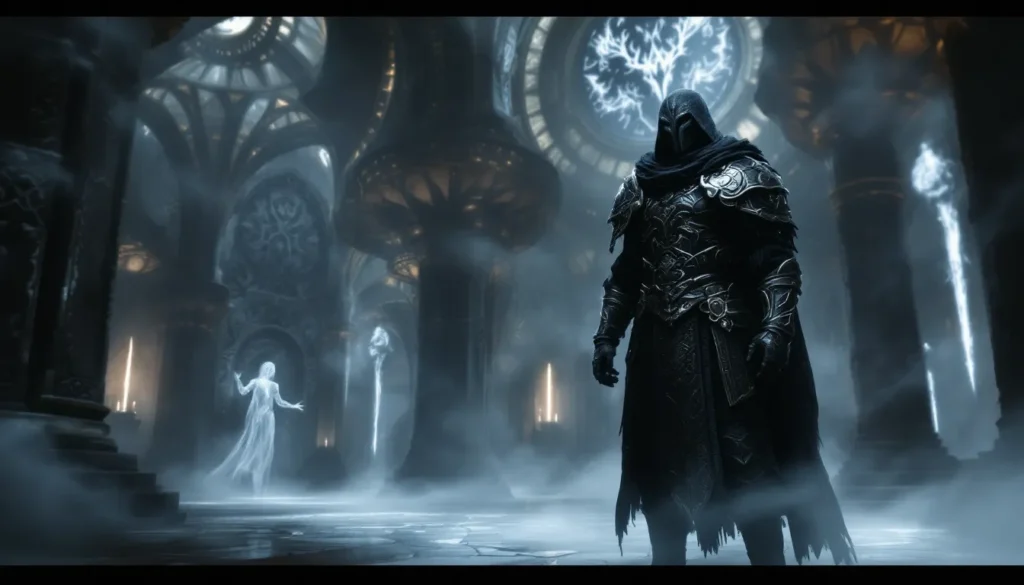
Within Sovngarde, the setting is breathtaking: an otherworldly landscape with floating islands, ethereal architecture, and an atmosphere thick with Nordic pride and honor. The realm itself is relatively small compared to Skyrim’s vast landscapes, but it’s densely packed with lore, powerful NPCs, and the final obstacle of your adventure. Many players find the beauty and design of Sovngarde memorable enough to warrant multiple playthroughs just to experience it again.
The significance of Sovngarde goes beyond mere aesthetics. It represents the culmination of Skyrim’s central conflict between the Stormcloaks and the Imperial Legion, the dragon crisis threatening Tamriel, and your character’s destiny as the prophesied Dragonborn. Stepping into this realm means you’re ready for what comes next, a confrontation that will define your entire playthrough.
Sovngarde In Elder Scrolls Lore
In The Elder Scrolls’ broader mythology, Sovngarde holds a unique place as the afterlife specifically designed for Nord warriors and heroes. Unlike most fantasy games that feature a single unified heaven or hell, the Elder Scrolls cosmos is far more complex. Different races have different afterlives: the Khajiit follow the Sands Behind the Stars, the Dunmer venerate their ancestors in ancestor shrines, and those who fail to achieve honor might end up in various Daedric realms or simply cease to exist entirely.
Sovngarde is uniquely Nordic in character, it embodies the Viking-inspired culture of Skyrim’s native inhabitants. The realm celebrates martial prowess, honor in combat, and eternal camaraderie among warriors. Those who reach Sovngarde are considered blessed, having proven themselves through deeds worthy of legend. This cultural specificity makes Sovngarde more than just a gameplay location: it’s a window into Nord philosophy and values.
How Sovngarde Differs From Other Afterlives
What makes Sovngarde fundamentally different from other Elder Scrolls afterlives is its accessibility to the player character. Most realms, whether Oblivion, the Shivering Isles, or other Daedric planes, require specific quests or circumstances to access. Sovngarde, but, is woven directly into Skyrim’s main narrative, making it a guaranteed experience rather than optional content.
Also, Sovngarde is uniquely vulnerable in the lore. While other afterlives exist in stable, unchanging states, Sovngarde is directly threatened by Alduin, the World-Eater himself. This crisis is what necessitates your visit and gives the final battle its narrative weight. Other afterlives might be dangerous or subject to external forces, but none face existential erasure quite like Sovngarde does when you arrive to confront the dragon god.
The realm also operates under different rules about mortality and consequence. Unlike the main world where death means reloading a save, actions in Sovngarde have permanent narrative weight. You’re not merely visiting, you’re literally intervening in the fate of an entire afterlife. This narrative heaviness distinguishes Sovngarde from the more exploratory or treasure-hunting focused planar realms elsewhere in the Elder Scrolls.
How To Reach Sovngarde In Skyrim
Reaching Sovngarde isn’t about finding a hidden location or solving an obscure puzzle. Instead, it’s the natural conclusion of Skyrim’s primary storyline, accessed through mandatory progression in the main quest. You can’t stumble into Sovngarde by accident, and there’s no alternative route or shortcut, the path is deliberately linear to preserve narrative structure and ensure players experience the lore properly.
The Main Quest Path To Sovngarde
Your journey to Sovngarde begins with the “Dragonslayer’s Quest” quest, one of the final chapters of Skyrim’s main storyline. This quest requires you to find a method of hunting Alduin himself, something impossible with conventional weapons or magic. The answer lies in the Elder Scroll, a powerful artifact capable of interacting with aspects of reality that normal weapons cannot touch.
Once you’ve obtained the Elder Scroll and located Alduin at Skuldafn (a Nordic temple-prison that serves as the final dungeon), the confrontation between you and the World-Eater becomes inevitable. After a dramatic battle at Skuldafn’s peak, Alduin escapes into the sky, but he’s weakened and vulnerable. This is when the path to Sovngarde opens.
At this point, you’re marked with a special quest objective that grants you access to the Portal to Sovngarde. This portal appears at the Throat of the World, Skyrim’s highest peak and the most sacred location in the game. Entering this portal is your point of no return, once you step through, Sovngarde’s events trigger and cannot be reversed through conventional means.
It’s worth noting that patch versions across PC, PlayStation, and Xbox have remained consistent about this questline since the game’s 2011 release, though numerous bug fixes and balance adjustments have been applied over the years through updates and, in the case of PC, through community mods via Nexus Mods.
Character Requirements And Preparations
There’s no hard level requirement to enter Sovngarde, but the encounters you’ll face scale with your character’s level. Most players recommend reaching at least level 30-40 before attempting the final confrontation, though experienced players have succeeded at lower levels with proper preparation.
Your build matters significantly. Melee-focused warriors, spellcasters, and archer builds all have viable paths through Sovngarde, but you’ll need strong offensive and defensive capabilities. Unlike regular dungeons where you can retreat and rest, Sovngarde’s final battle doesn’t offer many opportunities to heal between encounters. Stock up on healing potions, Restore Health potions are essential. Magicka and Stamina potions are secondary priorities depending on your playstyle.
For optimal performance, consider these preparations:
- Stock restoration supplies: You won’t find many potions in Sovngarde itself. Bring 20+ healing potions, more if you’re playing on higher difficulties.
- Optimize your gear: Ensure your armor is well-maintained and enchanted. Resistance to magic or physical damage depending on your expected threats is invaluable.
- Level relevant skills: If you’re a warrior, ensure One-Handed or Two-Handed skills are solid. Mages should prioritize Destruction or Restoration. Archers should have Archery well-developed.
- Consider enchantments: Gear with enchantments like “Fortify Health,” “Fortify Stamina,” or “Resist Magic” provides crucial advantages.
- Bring a powerful weapon: If possible, equip a legendary or enchanted weapon you’re comfortable using. The gear you bring is essentially what you’re stuck with during the Sovngarde sequence.
Exploring Sovngarde: What You’ll Find There
Once you step through the portal and enter Sovngarde, you’re in a completely different environment from anything else in Skyrim. The realm is visually distinct, featuring ethereal Nordic architecture, mist-shrouded pathways, and a sense of otherworldliness that the main game doesn’t quite capture. The atmosphere is reverent but also tense, you know Alduin is here, and the atmosphere reflects that threat.
Unlike typical dungeons you might explore on The Ultimate Skyrim Guide, Sovngarde isn’t structured as a series of interconnected chambers. Instead, it’s a more linear experience with specific zones and moments. You’ll move through the realm at a deliberate pace, encountering environments and NPCs that drive the narrative forward rather than encouraging backtracking or thorough exploration.
Key Locations And NPCs In Sovngarde
The primary location you’ll encounter is the Hall of Valor, the main structure in Sovngarde. This is where the realm’s most honored residents dwell, legendary Nord warriors, heroes of old, and powerful figures from Skyrim’s history and mythology. When you first arrive, you won’t find them immediately: instead, you’ll discover that Alduin has been consuming the souls of those in Sovngarde, essentially damaging the afterlife itself.
You’ll meet several named NPCs during your Sovngarde visit, including Ysgramor, the legendary founder of the Nord civilization, and Kodlak Whitemane, the Harbinger of the Companions (if you completed that questline). Their presence serves as both validation of your achievements and a rallying force against Alduin. These characters provide context and emotional weight to the final confrontation, reminding you that your struggle isn’t personal but cosmically significant.
Other spirits inhabit Sovngarde, though many are passive or consumed by Alduin’s influence. Some you can interact with, while others exist merely as environmental storytelling, ghostly figures and representations of legendary Nords frozen in moments of honor.
The Hall Of Valor And Its Significance
The Hall of Valor is the heart of Sovngarde, functioning as both the cultural center of the Nordic afterlife and the staging ground for the final battle. Its architecture mirrors Nordic design from Skyrim but amplified, grander, more ethereal, and unmistakably divine. Soaring pillars, sweeping archways, and intricate carvings celebrate Nord heroes and legends.
What makes the Hall of Valor significant beyond aesthetics is its role as a gathering place for champions. It’s where Ysgramor assembled the first Companions, where legendary warriors convene, and where the fate of Sovngarde is eventually decided. When you enter the Hall to confront Alduin, you’re not doing so as a lone adventurer but as someone standing alongside the greatest warriors Nord civilization has ever produced.
The Hall also contains lore crucial to understanding Skyrim’s mythology. Environmental storytelling through architecture and design suggests the cyclical nature of Nordic culture, the importance of honor and battle, and the belief that death is not an ending but a transition to a greater existence. For lore enthusiasts, the Hall provides context that enriches understanding of Nord philosophy throughout the entire game.
Alduin And The Final Battle
Alduin, the World-Eater, is the final boss of Skyrim’s main questline and represents the ultimate threat not just to the player character but to the entire existence of Tamriel itself. Unlike many open-world RPGs where the final boss is merely stronger than regular enemies, Alduin is narratively undefeatable through conventional means, which is precisely why you needed the Elder Scroll to confront him in the first place.
When you reach Sovngarde, Alduin appears and initiates the climactic battle. This isn’t a prolonged dungeon crawl with multiple phases: it’s a single, dramatic confrontation that will test everything you’ve learned throughout the game. The battle takes place in an open arena within Sovngarde itself, giving you space to maneuver but no safe zones or environmental cover to exploit.
Preparing For The Alduin Confrontation
Before stepping into the Alduin arena, ensure your health is completely topped off. Use your restoration potions liberally, Alduin deals heavy damage with his shouts and melee attacks, and there’s no shame in managing your resources carefully. If you’ve brought potions, healing is available: if you’ve relied entirely on healing spells, ensure your Magicka is sufficient before engaging.
Your shouts become crucial for this fight. If you possess powerful shouts like “Unrelenting Force” or “Dragonrend,” equip them. Dragonrend is particularly valuable because it forces Alduin to remain grounded, preventing him from using his ranged attacks and giving you more opportunities for melee damage.
Consider your positioning carefully. Unlike some boss fights that reward aggressive tactics, the Alduin fight favors adaptive play. You won’t be able to tank hits indefinitely, even high-health characters will fall if caught in multiple consecutive attacks. Plan to kite (circle while attacking), manage distance, and retreat to heal when necessary.
If you’re playing on higher difficulties (Harder, Legendary), the margin for error is minimal. Consider buffing yourself with potions before the fight: Fortify Health potions grant temporary health boosts, while Resist Magic or Fortify Defense potions reduce incoming damage. These consumables become disproportionately valuable in the final confrontation.
Combat Tips And Strategy
Alduin has several distinct attack patterns. His melee attacks deal moderate damage and are relatively telegraphed, allowing you to dodge or block. His shouts are the primary threat, they can deal significant elemental damage, apply status effects, or control your positioning. When he begins charging a shout, distance yourself or prepare defensive measures (magic resistance potions, defensive shouts like “Unrelenting Force”).
During the fight, Alduin will occasionally take to the air. This is frustrating but manageable. If you have Dragonrend, use it immediately to ground him. If you don’t, switch to ranged attacks or patience, he’ll land eventually. Some players recommend having a bow with decent damage equipped specifically for these airborne phases.
For melee builds, stay mobile. Don’t commit to extended attack chains that leave you vulnerable. Hit, retreat, assess, repeat. Two-Handed weapons deal more damage per swing but leave you vulnerable longer: One-Handed weapons with a shield offer better defense. Dual-wielding provides damage but sacrifices defensive options.
For mages, Destruction spells work well, though note that Alduin has some magic resistance. Restoration spells keep you alive: chain healing throughout the fight is perfectly viable. Paralysis effects don’t work on Alduin, so don’t waste magicka on status effects.
For archers, maintain distance and keep moving. The fight becomes considerably easier when you’re not in melee range, and sustained ranged damage eventually wore him down. Poison on your arrows provides additional benefits, paralysis poisons are unavailable, but Damage Health or Ravage Health poisons work well.
Remember that this battle, while difficult, isn’t entirely dependent on mechanical skill. The game’s difficulty scaling means even underpowered characters can eventually triumph through attrition and proper resource management. Healing items are your friend, use them liberally, and the fight becomes a test of patience rather than pure reflexes. As a reference point, community guides on platforms like Game8 frequently highlight resource management and tactical retreat as key victory strategies, alongside Twinfinite’s detailed walkthroughs that emphasize preparation over improvisation.
Post-Sovngarde Content And Implications
Once you’ve defeated Alduin and restored order to Sovngarde, the realm’s immediate crisis is averted. But, defeating Alduin doesn’t end Skyrim, instead, it concludes the primary questline while leaving a vast open world still accessible for continued exploration. Many players use this post-Alduin phase to pursue side quests, faction storylines, or personal goals they’ve deferred during the main campaign.
One interesting implication of the Alduin victory is how it affects the broader Elder Scrolls universe. Alduin was meant to devour the world at the end of one kalpa (a cyclical age), yet by defeating him, you’ve fundamentally altered the cosmic balance. The long-term consequences of this aren’t fully explored in Skyrim itself, but players familiar with Elder Scrolls lore understand the magnitude of what’s occurred, you’ve essentially staved off the end of the world.
From a gameplay perspective, post-Alduin Skyrim remains the same as it was before. Dragons continue spawning (though their presence becomes less narratively significant), and all previous questlines remain available. Some players choose to roleplay the post-victory period as a new chapter, perhaps focusing on Skyrim Warrior Build strategies if they’re refining their combat approach, or exploring faction questlines like the Skyrim Imperial Legion for political intrigue.
A notable aspect of post-Alduin gameplay is the reduced pressure. The world no longer faces existential threat, which can feel anticlimactic to some players. This is actually intentional design, the main quest prioritizes narrative and epic confrontation over endless challenge, allowing players to settle into a more relaxed playstyle afterward.
For completionists, defeating Alduin unlocks the entire world for maximum exploration. Hidden artifacts in locations like Skyrim Markarth become easier to pursue, and content from expansions like Skyrim Dawnguard DLC feels less time-pressured. You can pursue the Ultimate Guide to Skyrim Collectibles without worrying about the world ending, making completionist runs more relaxing.
The Alduin victory also has subtle effects on NPC dialogue and world state. Some characters reference your achievement, and the atmosphere of certain locations shifts slightly, no longer do NPCs speak of an apocalyptic dragon threat. These changes are minor but meaningful for immersion, reinforcing that your actions have had real consequences within the game world.
Conclusion
Sovngarde represents the culmination of everything Skyrim builds toward, an epic finale that combines narrative gravity, challenging combat, and profound lore all in one sequence. Whether you’re experiencing it for the first time or revisiting it in a new playthrough, the Nordic afterlife leaves a lasting impression through its unique atmosphere and the significance of the Alduin confrontation.
Preparing properly transforms the final battle from potentially frustrating to genuinely epic. Stock healing potions, optimize your gear, and bring shouts that counter Alduin’s attacks. Remember that patience and resource management matter as much as raw damage output. The victory you achieve in Sovngarde isn’t just a mechanical accomplishment, it’s the narrative payoff for everything you’ve invested in your character and your journey through Skyrim.
For players seeking deeper engagement with Skyrim’s mechanics after completing the main quest, exploring optimized build strategies and faction questlines ensures your adventure continues meaningfully. Sovngarde might be the story’s endpoint, but Skyrim’s world remains rich with possibility. Your Dragonborn’s legend doesn’t end with defeating Alduin, it’s only the beginning of what comes next.