
Table of Contents
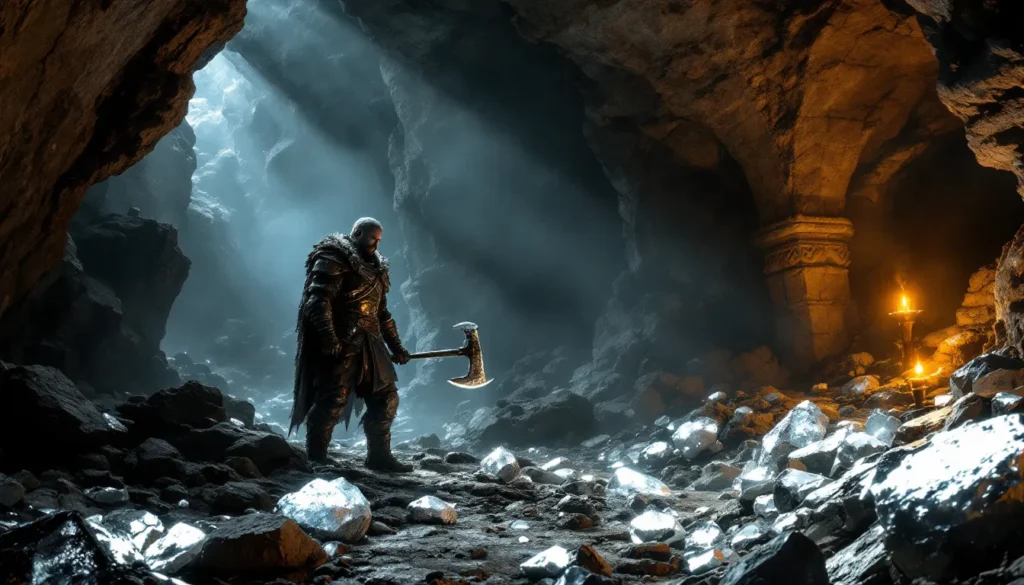
ToggleSkyrim’s been out since 2011, and you’d think every cave, ruin, and hidden chamber would be mapped by now. But even after 15 years, the game still surprises players, not because Bethesda’s hiding content behind paywalls, but because the sheer scale of Skyrim means countless secrets exist in plain sight, waiting for curious adventurers to stumble across them. Whether you’ve logged 100 hours or 1,000, there are Easter eggs, hidden quests, rare artifacts, and sequence-breaking exploits that most players never find. This guide digs into the unseen corners of Skyrim, revealing what you’ve likely missed and why these discoveries matter. From elusive locations to developer in-jokes, you’re about to uncover what makes returning to Skyrim feel fresh even after years away.
Key Takeaways
- Skyrim’s unseen corners reveal countless hidden quests, artifacts, and dungeons that reward patient exploration over 15 years after release.
- Remote locations like Glenmoril Coven and Darklight Tower contain unique encounters and lore that most players never discover without deliberate seeking.
- Sequence breaking and mechanical exploits in Skyrim remain intentionally permitted by Bethesda, enabling creative playstyles that bypass content in unintended orders.
- Rare artifacts such as the Skeleton Key and Mehrunes’ Razor hide behind specific questlines and provide gameplay-transforming value beyond their numerical stats.
- Developer Easter eggs and in-game references throughout Skyrim reward attentive players with nods to gaming culture and philosophical depth embedded in NPC dialogue.
- Mastering stealth archer mechanics, magic synergies, and follower manipulation unlocks veteran-level gameplay that transforms how you experience the same dungeons and encounters.
The Most Elusive Locations In Skyrim
Remote Dungeons Off The Beaten Path
Skyrim sprawls across a massive map, but many of its most interesting dungeons sit tucked away where quest markers rarely point. These locations demand curiosity, the kind that makes exploration feel rewarding instead of mandatory.
Glenmoril Coven stands out as one of the game’s creepiest secrets. It’s a hidden cave accessible only if you know to look near the coast in the far northwest. The interior features an unsettling ritual chamber and interactions with spectral hags that most players never witness. Finding it requires pure exploration or a quest from the Companion questline, but even then, it’s easy to miss the entrance entirely.
Bleak Falls Barrow is technically a main path early in the game, but deeper players realize it contains branching tunnels most never explore. Below the main Nordic tomb sits a hidden chamber with draugr and mysterious burial rites. Thorough exploration of every corner pays off in Skyrim, dungeons reward the methodical player.
Darklight Tower sits isolated on Skyrim’s eastern edge, a location so remote that casual explorers never stumble across it. Inside, you’ll find witches performing dark magic rituals and an unsettling atmosphere that contrasts sharply with typical dungeon design. The tower feels genuinely isolated, like you’ve discovered something Bethesda didn’t expect you to find.
Lost Knife Hideout near Shriekwind Bastion isn’t marked on any map initially. Bandits operate out of this cave, but the real secret lies in finding one of the game’s rare hidden treasure caches. Players who explore systematically, checking every fork and alcove, find loot disproportionate to the dungeon’s difficulty, rewarding thoroughness over efficiency.
Hidden Villages And Underground Cities
Beyond dungeons, Skyrim conceals entire settlements that exist outside the main fast-travel network. These places feel genuinely remote, as if civilization took root in forgotten corners of the world.
Skaal Village on Solstheim (added in Dragonborn DLC) remains one of gaming’s most atmospheric hidden settlements. It’s a small, tight-knit village that contrasts sharply with Skyrim’s Nordic holds. The community lives according to ancient traditions, and discovering this place makes you realize how much cultural diversity Bethesda packed into the game’s margins.
Bloodlet Throne represents another layer of hidden locations, a secret vampire gathering spot hidden within a larger dungeon system. Players who rush through caves miss these internal secrets entirely. The throne room itself tells a story about Skyrim’s vampire population that the main questline never explicitly explains.
Marcamat Cavern and other underground locations serve as reminders that Skyrim’s verticality extends deeper than most realize. Falling through certain areas or exploring thoroughly reveals caverns beneath the surface that contain unique encounters and loot. The game rewards patience and methodical searching, qualities that modern game design often punishes with time pressure.
Secret Quests And Unmarked Missions
Side Quests Most Players Never Find
Questlines in Skyrim operate on a hidden hierarchy. The radiant quest system generates infinite work, but genuinely unique side quests, the ones Bethesda hand-crafted, often vanish from quest logs if you don’t trigger them through specific dialogue or location discovery.
The Forgotten Vale quest exists only if you’ve completed the Dawnguard questline and then venture into Skyrim with fresh eyes. This hidden path involves discovering an ancient location that even the main Dawnguard quest obscures. The payoff isn’t just loot, it’s understanding Skyrim’s deeper lore about the Falmer and their history. When exploring the vast mountainous regions, players often pass the entrance without recognizing its significance.
Kill the Giant is exactly what it sounds like, a completely optional contract that appears as a single note in certain locations. No quest-giver, no objective marker, just a piece of paper telling you that Giants exist and someone wants one dead. The simplicity makes it feel more like player agency than a traditional quest. Following through means discovering a Giant camp and understanding Skyrim’s ecosystem in a way the main game never explains.
The Helm of Winterhold quest stems from a single environmental detail, a shipwreck on Skyrim’s coast. Players who explore the shoreline discover a ghost captain and a quest to recover his helm. It’s completely detachable from any faction questline, making it feel like genuine discovery rather than handholding.
Quest discovery in Skyrim often requires either overhearing tavern conversations or exploring locations that appear abandoned. The Ultimate Skyrim Guide covers many of these, but the most satisfying approach is finding them yourself, stumbling into a ruin and realizing you’ve triggered an unmarked questline.
Hidden Questlines With Unique Rewards
Beyond individual hidden quests, Skyrim contains entire questlines that unfold only if players follow specific triggers and dialogue branches.
The College of Winterhold questline contains a hidden parallel path for those willing to pursue corruption over tradition. While the main questline pushes toward restoration, savvy players discover that sabotaging experiments and working with darker forces opens alternative outcomes. The questline doesn’t change dramatically, but your moral investment in the choice transforms the experience entirely.
The Thieves Guild questline features hidden recovery jobs that only appear after completing the main faction questline. These additional contracts reference locations and characters most players encounter only if they specifically pursue the Guild’s shadow operations. The game doesn’t advertise these extensions, making them feel like bonus content for dedicated players.
Daedric artifact quests scattered throughout Skyrim offer some of the game’s most unique storylines. Boethiah’s Proving in particular requires player agency, you must actively choose to sacrifice a follower to proceed. Few games present moral choices this starkly, and most players who encounter this quest do so accidentally, stumbling into an encounter they didn’t anticipate. The uniqueness lies not in combat complexity but in emotional investment. When exploring the enigmatic city and its dark history, players might encounter Boethiah’s shrine in ways they least expect.
Rare Items And Weapons Hidden In Plain Sight
Legendary Artifacts Few Players Discover
Skyrim scatters powerful equipment across the world, but many of the rarest items hide in locations that don’t broadcast their importance. Unlike quest rewards that ping on your map, these artifacts demand exploration and sometimes require specific conditions to access.
The Skeleton Key stands as one of Skyrim’s most iconic items, but you only obtain it if you complete the Thieves Guild questline and pursue the Nocturnal questline to its conclusion. The key itself represents a legendary artifact within Tamriel’s lore, a Daedric object that grants infinite lockpicking. Using it changes how you approach any locked door or chest in Skyrim, trivializing security challenges but also transforming your playstyle. Stealth players who discover this early can reshape their entire approach to combat.
Wabbajack, the staff of chaos, hides inside a seemingly ordinary Daedric shrine. Finding it requires either stumbling across the shrine or knowing to seek out Sheogorath’s influence. The weapon itself serves as both tool and joke, its effects are completely random, making it simultaneously useful and impractical. Using it feels more like embracing chaos than executing a strategy.
The Nightingale Blade and Nightingale Armor set emerge from the Thieves Guild questline, but their unique properties remain obscure unless you read item descriptions. They’re not mechanically superior to other weapons, but they’re thematically perfect for stealth builds. Many players complete the Thieves Guild without appreciating the aesthetic and roleplay value these items provide.
Mehrunes’ Razor represents another Daedric artifact requiring a specific quest chain. The weapon deals only 1.5x damage even though its legendary status, making it mechanically underwhelming but thematically essential for certain builds. Players who obsess over DPS numbers often overlook it entirely, yet fans of Daedric lore consider it irreplaceable.
These artifacts share a common trait: their power isn’t always numerical. Many legendary items in Skyrim excel at enabling playstyles rather than maximizing damage output. A Skyrim thief build transforms entirely when you access tools like these early.
Unique Gear And Armor Sets
Beyond singular artifacts, Skyrim contains full armor and weapon sets that only appear in specific locations or questlines.
Daedric Armor variations scattered throughout the game offer distinct visual designs that match specific Daedric princes. Unlike generic Daedric equipment crafted at forges, these unique variants carry lore weight and distinctive appearances. The Ebony Mail, a Boethiah-aligned cuirass, sits in a specific dungeon and transforms stealth playstyles with its poison cloud effect.
Deathbrand Armor, locked behind the Dragonborn DLC’s exploration, requires finding multiple pieces across different islands in Solstheim. Assembling the full set activates its unique enchantment, but the gear itself is mechanically average. The real reward lies in completing the set, the transmog fantasy of wearing a legendary outfit.
Vampire Lord gear emerges only if you become a Vampire Lord and engage with that questline deeply. The armor redefines your character’s appearance entirely, making it feel like a transformation rather than an equipment change.
Thieves Guild Armor variations appear throughout their questline, offering stealth-focused gear that scales with leveling. Unlike armor purchased from vendors, these pieces feel personally earned through progression.
Weapon uniqueness in Skyrim often comes from enchantments rather than appearance. A single Fiery enchantment on a steel sword can outperform legendary weapons, making item discovery about understanding enchantment mechanics rather than chasing mythical loot. This creates a secondary discovery layer: players who understand enchanting systems become far more effective than those chasing rare items.
Easter Eggs And Developer References
Gaming Culture Nods And Shout-Outs
Bethesda packed Skyrim with references to games, movies, and internet culture that most players never consciously notice. These Easter eggs aren’t necessary for enjoyment, but they transform the experience when discovered.
The Notched Pickaxe exists as a reference to Minecraft, Notch’s legendary game. Finding it requires locating a specific location and digging, a meta-joke about mining that flies over most heads. The pickaxe itself provides no mechanical advantage, it exists purely as a nod to gaming history.
Wispmother encounters reference classic horror gaming tropes, specifically the “creepy woods” archetype. These encounters feel genuinely unsettling because Bethesda committed to the horror aesthetic, differentiating them from standard combat encounters.
The Khajiit’s philosophical dialogue often references classic literature and philosophy. “What is better: to be born good, or to overcome your evil nature through great effort?” appears as NPC dialogue, embedding thoughtful writing into what could’ve been throwaway conversation. These moments reward attentive listening, players who read NPC dialogue encounter genuine depth.
Sanguine’s quest involves participating in increasingly absurd scenarios orchestrated by a Daedric prince of hedonism. The quest’s tone shifts dramatically from typical Skyrim storytelling, becoming comedic and irreverent. Bethesda’s willingness to break tone here signals confidence in their writing, they can afford to be weird.
Bethesda’s Hidden Messages And In-Game Jokes
Developer commentary hidden throughout Skyrim reveals the team’s personality and often critiques game design itself.
The Dungeon Design Philosophy surfaces when you notice that Skyrim dungeons often loop back on themselves. Early in development, Bethesda commented on this design choice publicly, they wanted dungeons to feel like explorable spaces rather than linear corridors. This design philosophy, visible through structural examination, represents a hidden lesson in level design.
Guard dialogue that breaks the fourth wall appears occasionally, with guards acknowledging the inherent absurdity of Skyrim’s world. “Do you get to the Cloud District very often? Oh, what am I saying… of course you don’t,” spoken with utter disdain, transforms a simple NPC into a commentary on player agency and status.
The Dark Brotherhood questline increasingly becomes aware of its own storytelling. By the final contract, the questline essentially comments on player behavior, your willingness to murder for payment and the moral disconnection that gaming enables. This meta-awareness appears subtle but profoundly affects the questline’s tone.
Dragon names and lore details reference Norse mythology extensively, but savvy players notice Bethesda adding personal touches. Dragons with specific abilities often carry names that hint at their mechanics, suggesting developers encoding information into the fiction itself.
Skill book placements hide thematic connections. Finding Illusion skill books in specific locations (often places of deception or crime) reveals intentional design rather than random placement. These environmental storytelling details accumulate, creating a coherent world even though Skyrim’s massive scope.
The broader message embedded throughout Skyrim’s Easter eggs and developer references suggests that Bethesda trusts players to engage with the world deeply. They’re not forcing discovery through quest markers: they’re rewarding curiosity through layered design. Recent coverage from gaming news outlets continues analyzing Skyrim’s design philosophy even after 15 years, suggesting these details retain relevance.
Glitches, Exploits, And Unexpected Mechanics
Sequence Breaking Techniques
Skyrim’s engine permits sequence breaking, completing content out of intended order through environmental manipulation and mechanical exploitation. Unlike breaking games entirely, sequence breaking leverages legitimate mechanics in unintended ways.
Becoming Archmage before joining the College technically remains possible through careful NPC manipulation. The College questline gates the Archmage position behind progression, but clever players discover that manipulating dialogue and NPC states can bypass these gates entirely. This doesn’t corrupt save data: it simply means players experience content in an unintended order.
Accessing the Soul Cairn without completing the Dawnguard questline becomes possible through specific teleport exploits. While this technically requires glitch knowledge, the game permits these transitions through its engine. Players who discover this feel like they’ve uncovered a secret passage rather than exploiting a bug.
Lockpicking specific doors before plot events unlock them is possible through understanding door mechanics. Some doors remain unlocked from behind, allowing clever positioning to bypass locks entirely. This isn’t cheating: it’s understanding game systems deeply enough to manipulate them.
Using destruction magic to trigger environmental kills bypasses combat entirely in certain encounters. Rather than fighting a dragon, you can collapse a bridge or trigger an avalanche. The game doesn’t prevent this, it simply doesn’t advertise these opportunities.
Sequence breaking rewards player creativity and intimate knowledge of game systems. Unlike traditional speedrunning exploits that often break games, Skyrim’s sequence breaking works with its design rather than against it. The game permits this flexibility intentionally.
Game-Breaking Secrets And Intended Workarounds
Skyrim contains several famous bugs and glitches, but Bethesda’s approach to patching reveals which issues they considered features versus actual problems.
The “Fortify Restoration” loop was an unintended exploit allowing players to craft infinitely powerful items. Rather than patching it, Bethesda left it untouched for years, tacitly permitting players to break their own game if they chose. This mirrors the developer philosophy: trust players to control their own experience.
The Pickpocketing AI exploit allows moving pickpockets to steal from NPCs permanently, acquiring rare items without theft or combat. Some consider this breaking the game: others see it as understanding stealth mechanics thoroughly enough to weaponize them. Bethesda never patched it because it requires genuine skill knowledge.
Perk stacking through specific dialogue sequences allows players to activate perks multiple times, gaining impossible stat bonuses. This requires memorizing specific dialogue options and NPC behavior patterns. The exploit sits at the intersection of game knowledge and mechanical manipulation.
The “no kill” playstyle, while not an exploit, represents an intended workaround for Skyrim’s quest design. You can complete essentially any questline through dialogue manipulation and avoiding combat entirely. This playstyle requires understanding dialogue trees intimately and valuating non-violent solutions, something Skyrim permits even though combat focus.
Bethesda’s tolerance for these exploits suggests they valued player agency over controlling how people experienced their game. Modern games increasingly prevent sequence breaking and exploit abuse, but Skyrim permits it, a design choice that extended the game’s lifespan by decades. The modding community at Nexus Mods continues developing tools and frameworks that extend these mechanics further, creating a symbiotic relationship between developers and players.
Advanced Gameplay Secrets For Veteran Players
Stealth And Stealth Archer Mastery
Stealth in Skyrim operates through mechanics that reward understanding AI behavior and game systems deeply. Veteran players don’t just sneak, they engineer situations where detection becomes impossible.
The Line of Sight mechanic functions more subtly than many realize. NPCs have vision cones, but these cones contract in darkness and expand in light. Intelligent stealth gameplay involves understanding this radius precisely, positioning yourself at the absolute edge of their vision range. A simple torch can negate hours of careful positioning, yet NPCs won’t always notice one lit for ambient reasons.
Stealth archery supremacy emerges from combining perks that compound silently. The Archer perks, when stacked correctly, allow dealing 50x damage with a bow while remaining undetected. This isn’t a bug, it’s a mechanical interaction that Bethesda never patched because they recognized its elegance. Early-game arrows become late-game power weapons through investment. A stealth archer build guide explores this, but the deeper secret lies in understanding why these mechanics stack: Bethesda’s perk system allows multiplicative effects intentionally.
Invisibility potion stacking combined with sneak attack mechanics creates encounters where you eliminate entire rooms without being detected once. Most players view invisibility as temporary: veterans recognize it as a sustained playstyle through potion crafting. The secret ingredient isn’t alchemy, it’s understanding how the UI permits drinking multiple potions sequentially within stealth states.
Positioning and verticality matter enormously. Shooting from above grants archery bonuses that aren’t listed in tooltips. Positioning yourself on a ledge transforms a challenging encounter into a contained shooting gallery. Environmental awareness becomes as important as reflexes.
Follower manipulation transforms stealth. Drawing enemy attention toward your follower while you sneak creates safe positioning. Most players treat followers as additional DPS: stealth veterans recognize them as tactical assets. Some followers’ AI quirks (like their pathfinding) can be exploited to create specific encounter conditions.
Magic Combinations And Spell Synergies
Magic in Skyrim rewards system mastery as much as stealth does, but the synergies remain opaque unless you actively experiment.
Telekinesis spell abuse permits moving objects physics-free, breaking traditional puzzle design. Combine it with Fury spells to create situations where enemies attack each other while you remain uninvolved. Most players dismiss Telekinesis as utility: veterans recognize it as an offense tool.
Paralysis and Mayhem spell combinations create cascading effects. Casting Mayhem in a crowded dungeon forces enemies into combat, then hitting key targets with Paralysis creates situations where enemies literally can’t defend themselves. The spell synergy isn’t explicitly documented, it emerges from understanding status effect mechanics.
Conjuration spell stacking permits summoning multiple creatures simultaneously if you cast spells during the summoning animation. The game doesn’t advertise this mechanic, but it rewards frame-perfect timing. You can field an army of dremora lords and flame atronachs, transforming the summon system from support role to primary offense.
Alteration and Mysticism combinations offer defensive synergies that make you essentially unkillable. Ebonyflesh grants armor equal to daedric plate, but stacking it with Restoration creates healing that outpaces enemy damage. This transforms magic from risky offense tool into survivalist’s resource.
Enchanting feedback loops represent the deepest secret. Items enchanted with Fortify Magicka or Fortify Restoration can be used to craft stronger items, creating exponential growth. The loop exists entirely within intended mechanics but requires understanding the crafting pipeline deeply.
The broader lesson underlying these magic synergies: Skyrim’s systems are modular and intentionally permissive. They don’t prevent creative combinations, they reward discovering them. The Dawnguard DLC expanded vampire magic options, adding additional spell combinations that further deepen this system.
Conclusion
Skyrim’s enduring appeal stems from its hidden depths. Fifteen years after release, players still discover quests, items, and mechanics that eluded them through countless playthroughs. This guide covers a fraction of what exists, the game remains so vast that even documenting its secrets becomes an ongoing process.
The real secret Skyrim guards isn’t any specific item or quest. It’s permission. Bethesda built a world that permits exploration, experimentation, and discovery on your terms. You can complete the main questline in 20 hours or spend 200 hours still finding new corners. Fast travel exists if you want efficiency, but the game rewards those who resist it.
Veteran players understand that returning to Skyrim means approaching it differently. A character built around stealth archer mechanics plays entirely differently from a pure mage run. The game permits both, plus countless variations in between. That permissiveness, the refusal to force a single “correct” playstyle, explains why Skyrim communities remain active even though the game’s age.
The horizon still holds unexplored dungeons, unmarked quests, and secrets waiting in plain sight. Covering all aspects of Skyrim’s soundtrack to its mechanical depths, Skyrim continues rewarding curiosity. Whether you’re planning your next New Game Plus run or discovering these secrets for the first time, the province remains as compelling as it was in 2011, waiting for adventurers willing to look deeper.
The unseen Skyrim isn’t hidden from you. It’s simply waiting for you to stop rushing and start exploring.