Table of Contents
ToggleWhether you’re a fresh-faced Dragonborn taking your first steps into Skyrim or a battle-hardened veteran hunting down the last legendary artifacts, your helmet choice matters more than you might think. Head armor isn’t just about looking intimidating in taverns, it directly impacts your survival against dragons, mages, and the countless dangers of Tamriel. A solid Skyrim helmet can mean the difference between walking away victorious and respawning at your last save. This guide breaks down every major helmet type in The Elder Scrolls V, from heavy armor behemoths to nimble light armor options, plus the rare legendary pieces that define true endgame status. We’ll cover armor ratings, crafting paths, enchantment strategies, and how to pick the right helmet for your specific playstyle.
Key Takeaways
- A Skyrim helmet directly impacts character survival in combat—each armor rating point reduces incoming physical damage by 1%, with armor capping at 80 for maximum 80% damage reduction.
- Heavy armor helmets like Daedric and Ebony offer the highest protection (12–13 armor rating) but demand significant Smithing levels and rare materials like Daedra Hearts and Dragon Bones.
- Light armor helmets such as Elven and Glass provide mid-tier protection (7–8 armor rating) while minimizing weight penalties, making them ideal for archers, assassins, and mage builds.
- Enchanting and improving your Skyrim helmet at the Enchanting Table and Workbench transforms it from basic defense into a powerhouse tool—a Fortify Magicka or Fortify Health enchantment can outperform higher base-armor alternatives for your specific build.
- Unique legendary helmets like Konahrik and Helm of Yngol offer special abilities beyond standard armor ratings, rewarding exploration and questline completion with game-changing effects.
- Match your helmet choice to your build’s playstyle and available perks: heavy armor warriors prioritize Daedric protection, light armor specialists favor mobility options, and hybrid builds benefit from mid-tier alternatives like Elven or Glass.
Why Helmets Matter in Skyrim
Skyrim’s helmet system goes beyond simple cosmetics. Every helm you wear contributes to your overall survivability, and understanding how they work is crucial for optimizing your character. The head is one of the most vulnerable spots in combat, rogues and archers aim for it, magic users prioritize it for spellcast interruption, and even melee fighters will land blows there if you’re not careful.
Armor Rating and Protection
Each helmet provides a specific armor rating that directly reduces incoming physical damage. The armor rating is affected by the helmet’s material type and crafting quality. For example, a Daedric Helmet offers significantly more protection than a Leather Helmet due to the superior material. Your total armor rating caps out at 80 armor, which grants 80% damage reduction (the maximum mitigation possible), but that doesn’t mean stacking every heavy piece is always optimal, weight and mobility matter too.
The relationship between armor rating and actual damage reduction is straightforward: each point of armor reduces incoming physical damage by 1%. But, your character’s Armor Skill also plays a role. Higher Armor skill improves how effectively you use each piece of equipment. A player with Armor Skill 100 gets significantly better protection from the same helmet compared to a level-1 player, though the base armor rating doesn’t change.
Head protection becomes even more critical when facing certain enemy types. Dragons and magic-heavy opponents often target the head, and enduring these attacks with proper head armor can turn a losing fight into victory. Heavy armor helmets like the Ebony Helmet provide raw defensive benefits, while light armor options trade some protection for agility and spell-casting bonuses.
Crafting and Enchantments
Unlike weapons, helmets can be crafted at any Forge using basic materials, which makes them accessible early in your playthrough. You don’t need Daedric crafting materials from the start, you’ll naturally accumulate them as you progress. But, crafting requires appropriate Smithing skill ranks. A Daedric Helmet demands higher Smithing than a Steel Helmet, but with the right perks (like Daedric Smithing), even midgame players can craft endgame-level head armor.
Enchanting helmets transforms them from solid defense into powerhouse equipment. Common helmet enchantments include Fortify Magicka, Fortify Health, Fortify Stamina, Resist Magic, and Waterbreathing. A Glass Helmet with Fortify Magicka 25 becomes far more valuable for mage builds than the base version. Some players focus on utility enchantments (like Waterbreathing or Detect Life), while others stack defensive bonuses like Resist Fire to counter specific enemy types.
The beauty of helmet crafting is its flexibility. You can improve existing helmets at a Workbench to increase their armor rating, or disenchant legendary helmets to learn their enchantments and apply them to simpler base pieces. This system rewards experimentation and allows players to customize their head armor to perfectly match their build.
The Best Heavy Armor Helmets
Heavy armor helmets are for players who want to be walking tanks. They offer the highest armor ratings in the game and provide the bulky, intimidating aesthetic that comes with heavy armor. These helmets pair perfectly with greatswords, warhammers, and shield-based builds where you’re charging into combat head-first.
Daedric Helmet
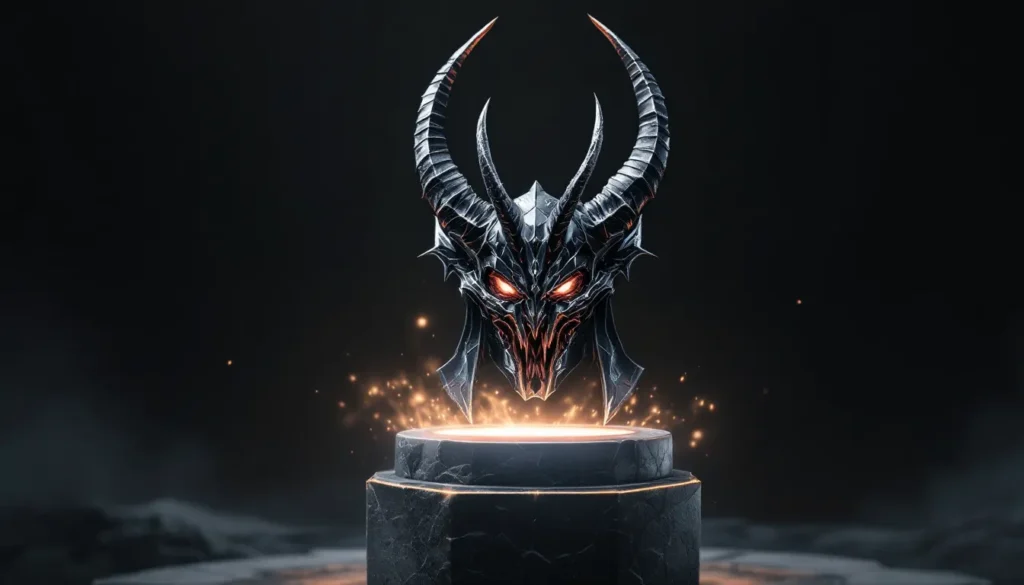
The Daedric Helmet stands as one of the most iconic and powerful heavy armor helmets available. With an armor rating of 13, it’s one of the highest base values you can achieve through crafting. The sinister, demonic design makes it instantly recognizable and perfectly suits evil or aggressive character builds.
Crafting a Daedric Helmet requires 90+ Smithing and the Daedric Smithing perk, which unlocks at Smithing 80. You’ll need three Ebony Ingots and one Daedra Heart. Daedra Hearts are obtained primarily by looting Daedra killed in Oblivion-based dungeons or purchased from alchemists. This makes the helmet accessible but not trivial, you’ll need to do some farming or explore specific locations.
The Daedric Helmet looks especially menacing with its jutting spikes and dark metallic finish. It weighs 24 units, which is heavy by any standard, but when combined with other Daedric pieces, the aesthetics and protection become unmatched. Players running full Daedric builds often report their characters becoming nearly invincible in combat, especially when combined with proper enchantments like Fortify Health or Fortify Stamina.
Ebony Helmet
The Ebony Helmet sits just below Daedric in raw armor rating (12 vs. 13) but is far more accessible in the mid-to-late game. It requires only 80+ Smithing and the Ebony Smithing perk, making it a realistic goal for most players by level 30-40. Materials are easier to source: three Ebony Ingots and one Iron Ingot, both readily available from standard ore veins.
With its sleek, aggressive design featuring a prominent crest, the Ebony Helmet is a visual powerhouse. It conveys strength without the demonic edge of Daedric armor, making it popular for noble warrior or general heavy armor builds. The 24-unit weight is substantial, but heavy armor users will already be investing in perks that reduce armor weight.
Many players consider the Ebony Helmet the sweet spot for balance: high protection, reasonable crafting requirements, and superior aesthetics compared to weaker heavy armor options like Steel or Iron. Pairing it with an Ebony Cuirass creates a formidable armored warrior that excels in endgame content. The helmet’s versatility makes it suitable for multiple builds, warriors, tanks, and even two-handed weapon specialists all benefit from equipping one.
Dragonplate Helmet
The Dragonplate Helmet represents the culmination of heavy armor crafting, offering an armor rating of 13 (tied with Daedric) and requiring an astronomical 100 Smithing and the Daedric Smithing perk at minimum. It demands two Dragon Bones and five Iron Ingots, making it exclusively an endgame item.
Dragon Bones are dropped exclusively by slain dragons, so crafting a Dragonplate Helmet signals to other players that you’ve conquered serious threats. The golden, regal appearance reflects this prestige, it’s essentially the “I’ve beaten dragons” helmet. It weighs 24 units, identical to Daedric and Ebony, but the crafting requirements make it far rarer.
While Dragonplate offers no armor rating advantage over Daedric, it excels in roleplay and prestige. If you’re playing a Dragonborn who’s actively hunted dragons, wearing full Dragonplate armor feels earned and thematic. Some optimized players skip it entirely in favor of Daedric (same protection, easier crafting), but others refuse to settle for anything else once they reach endgame. It’s a respectable choice either way.
Top Light Armor Helmets
Light armor helmets trade raw protection for mobility, agility bonuses, and the ability to cast spells more effectively. If you’re playing a sneaky archer, spellsword, or pure mage with light armor for mobility, these helmets will serve you better than lumbering heavy pieces.
Elven Helmet
The Elven Helmet is the aesthetic and functional gold standard of light armor head pieces. Offering an armor rating of 7, it’s respectable defense-wise while maintaining the light armor weight of only 5 units. The sleek, pointed design with its elegant curves makes it one of the most visually appealing helmets in the game.
Crafting requires just 30 Smithing and the Elven Smithing perk, making it accessible early in any playthrough. You’ll need three Moonstone Ingots and one Iron Ingot. Moonstone ore is found throughout Skyrim and purchased from blacksmiths, so material gathering is painless.
The Elven Helmet pairs beautifully with Elven Armor sets and works equally well mixed with other light armor pieces. Archers love it because the reduced weight contributes to carrying capacity for arrows and loot. Mages appreciate the aesthetic without the spell-casting penalties that heavy armor imposes. It’s also popular among players building hybrid archer-mage characters who need to stay mobile while maintaining decent defense. Consider enchanting it with Fortify Archery for archers or Fortify Destruction for mages to maximize build synergy.
Daedric Light Armor Helmet
The Daedric Light Armor Helmet is, confusingly, a separate item from the heavy Daedric Helmet, though it shares the demonic aesthetic. With an armor rating of 8 and weighing only 6 units, it provides slightly better protection than Elven while remaining extremely lightweight. This makes it ideal for players who want maximum protection without heavy armor penalties.
Crafting demands 90+ Smithing and the Daedric Smithing perk, requiring three Ebony Ingots and one Daedra Heart. The cost is higher than Elven, but the payoff is a light armor piece that competes with much heavier options in protection terms.
The demonic styling of the Daedric Light Armor Helmet works surprisingly well on sneaky, evil-aligned characters. Dark elves and orc builds especially benefit from the aggressive aesthetic. Mechanically, it’s optimal for players who want to stay under the heavy armor threshold while maximizing defense. Pairing it with other light armor pieces and enchanting for your specific role creates an extremely flexible endgame option.
Glass Helmet
The Glass Helmet offers an armor rating of 8 and weighs 5 units, making it directly comparable to Daedric Light Armor in protection but far easier to craft. Requiring only 70 Smithing and the Glass Smithing perk, it’s an excellent mid-to-late game choice for light armor users who haven’t reached Daedric crafting yet.
You’ll need two Malachite Ingots and one Iron Ingot, both readily available. The translucent, crystalline appearance of Glass Helmet is instantly distinctive and beautiful in-game. High elves and magical characters especially benefit from its elegant design, and it’s a staple for hybrid mage-archer builds.
One underrated aspect of the Glass Helmet is its synergy with specific builds. Mages can enchant it with Fortify Magicka Regeneration or Fortify Magicka to amplify their magical output without sacrificing the mobility light armor provides. Its relatively low weight (5 units) makes it ideal for stealth-focused characters who need every advantage in carrying capacity.
Unique and Legendary Helmets
Beyond standard craftable helmets, Skyrim contains several unique and legendary pieces that offer special abilities, superior base stats, or distinctive aesthetics. These are typically found through quests, dungeon exploration, or specific NPC encounters, making them genuinely rare. Finding one often becomes a memorable gaming moment.
Helm of Yngol
The Helm of Yngol is a quest reward from “The Bell Tolls for War,” obtainable by joining the Civil War questline. This unique heavy armor helmet has an armor rating of 12 and provides the valuable Waterbreathing enchantment, letting you breathe indefinitely underwater without potions or spells.
The helm’s distinctive Nordic design fits perfectly with Skyrim’s cultural aesthetic. For players planning underwater exploration (like the Forgotten Vale or submerged dungeons), the Waterbreathing alone justifies equipping it. Many players keep it specifically for aquatic sections, then swap to their primary helmet for combat.
The Waterbreathing enchantment can’t be reliably replicated by crafting, disenchanting the helm to learn the enchantment unlocks it for later use, but players often prefer to keep the helm intact since its base armor rating is respectable and the enchantment remains useful throughout the game.
Konahrik
The Konahrik is arguably the most prestigious helmet in Skyrim, available only after completing the entire Daedric quest chain in the Dawnguard DLC (or at level 81+ even without Dawnguard in base game). It’s a unique light armor helmet with an armor rating of 8 and provides an exceptional 25% Magicka Regeneration boost plus a summon ability.
When equipped, Konahrik occasionally automatically casts Mayhem on nearby enemies during combat, creating instant chaos. Against large groups, this effect is invaluable. The helmet’s design, an intricate Daedric mask, is unmistakable and signals serious player investment. Some hardcore players make the Konahrik their primary helmet for every encounter, while others use it situationally for group combat.
Obtaining Konahrik requires hunting down all eight Daedric Artifacts and returning them to Mehrunes’ Dagon (with the Dawnguard expansion). The quest chain is long and demanding, but the helmet’s unique abilities justify the effort. In terms of raw usefulness, Konahrik competes with all-crafted options in armor rating but vastly exceeds them through special effects.
Dwarven Black Bow Helmet
The Dwarven Black Bow Helmet is obtainable in the Dawnguard DLC as a craftable item once you’ve progressed the Dawnguard questline far enough. It’s a unique dwarven-styled light armor helmet with distinctive black metallic coloring and an armor rating of 6. While the protection is lower than other options, its unique appearance and availability through questline progression make it memorable.
The helmet is more of a novelty than a powerhouse, but it’s perfect for players using crossbows or bows extensively (as the name suggests). Many players appreciate it as a collectible piece and roleplay item rather than an optimization choice. It works exceptionally well as part of a Dawnguard-themed build where you’re hunting vampires and Daedra. Some dedicated archers swear by it for aesthetic reasons, making it a top choice for themed playthroughs even if raw stats don’t match higher-tier alternatives.
Crafting and Improving Your Helmets
Crafting and improving helmets is one of the most rewarding systems in Skyrim. Beyond just manufacturing a piece, you can refine existing helmets to boost their armor rating or customize them through enchantments. Understanding this system unlocks massive power gains.
Essential Crafting Materials
Every helmet type demands specific ore ingots and sometimes rare materials. Steel Helmets require just Iron Ingots, making them trivial early-game. Dwarven Helmets need Dwarven Metal Ingots, obtainable from Dwarven dungeon ruins or blacksmith vendors. Elven Helmets require Moonstone Ingots, widely available from northern ore veins. Ebony Helmets demand Ebony Ingots, found primarily in Oghma Infinium locations and from advanced blacksmiths.
Rare materials like Daedra Hearts (from slain Daedra or alchemy vendor purchases), Dragon Bones (from dragon kills), and Malachite Ingots (from high-level ore veins or crafting from Malachite Ore) require more deliberate farming. Plan your crafting progression to avoid material bottlenecks. Many players stock up on ore and ingots early, then craft helmets when they have enough Smithing skill.
A pro tip: leather goods like Leather Strips are needed for many heavy armor pieces. Gather scraps from dungeons or purchase them in bulk from blacksmiths. Having 20+ leather strips on hand prevents frustrating “need more materials” moments when you’re ready to craft.
Enchanting for Maximum Effectiveness
Enchanting your helmet is where personal optimization truly shines. After creating or improving your base helmet, take it to an Enchanting Table and customize it for your build. Mages should prioritize Fortify Magicka, Fortify Magicka Regeneration, or Fortify Destruction/Conjuration/Restoration (depending on their school focus). Warriors benefit from Fortify Health, Fortify Stamina Regeneration, or Fortify Two-Handed/Block.
Utility enchantments like Detect Life, Waterbreathing, or Night Eye add convenience without direct combat bonuses. Waterbreathing is particularly valuable if you explore aquatic dungeons frequently. Some players enchant multiple helmets for different situations: a combat helmet optimized for damage reduction, a utility helmet with Detect Life for treasure hunting, and a roleplay helmet for tavern visits.
Enchanting strength depends on your Enchanting skill. At Enchanting 100 with the right perks, you can create helmets that genuinely break game balance. A Fortify Magicka 50 enchantment on a helmet gives massive mage power, while Fortify Health 50 creates unkillable tanks. Lower Enchanting levels produce weaker bonuses, so plan helmet enchanting for late-game when your skill is high.
Disenchanting legendary helmets teaches you their enchantments permanently. If you find a Helm of Yngol with Waterbreathing and later obtain one from a quest, disenchanting duplicates is wise. Similarly, if you find a rare unique helmet, consider whether keeping it is better than learning its enchantment, legendary effects are permanent account additions, while unique items are singular.
Consider pairing helmet enchantments with your other gear. Wearing a Fortify Magicka helmet while also sporting a Fortify Magicka ring creates diminishing returns in practical terms, but stacking Fortify Magicka on helmet, ring, and circlet compounds powerfully if you need that stat. Optimize around your actual playstyle rather than generic recommendations.
Tips for Choosing the Right Helmet
Selecting a helmet isn’t one-size-fits-all. Your choice depends on build, playstyle, available materials, and personal preference. Here’s how to match the perfect helmet to your character.
Playstyle Considerations
Define your combat role first. Heavy armor warriors engaging enemies head-on need maximum armor rating, favoring helmets like Daedric or Dragonplate. These characters benefit from helmets with Fortify Health or Fortify Stamina Regeneration enchantments that amplify their tanking capabilities. Pairing a high-armor helmet with heavy armor perks like Juggernaut creates nearly unkillable characters.
Light armor characters, archers, assassins, and spellswords, should prioritize Elven, Glass, or Daedric Light Armor helmets. These minimize weight penalties and agility loss. Archers particularly benefit from Fortify Archery enchantments, while stealth assassins can use Invisibility if they acquire that enchantment from legendary sources.
Pure mages are unique: they might not wear helmets at all if spell-casting penalties matter more than head protection. But, light armor helmets mitigate these penalties significantly. Enchanting a Glass Helmet with Fortify Magicka or Fortify Magicka Regeneration turns it into an offensive tool rather than just defense.
Hybrid builds require flexibility. A stealth archer-mage benefits from light armor helmets that support both archery and magic without weight penalties. An “everything” character needs a helmet that doesn’t lock them into heavy specialization, making mid-tier options like Elven or Glass ideal generalists.
Build Synergy and Perks
Your Smithing and Enchanting skills determine which helmets you can actually craft and customize. There’s no point planning a Daedric Helmet build if you’re at Smithing 45, you’ll be wearing Iron or Steel for hours before reaching the requirement. Plan progression realistically.
Heavy armor perks enhance heavy helmets specifically. Juggernaut (ranks 5 and 10) increase heavy armor effectiveness by up to 50%, making Daedric helmets even stronger. Matching Set provides bonuses when wearing a matched full armor set, incentivizing complete Daedric or Ebony builds. If you’re investing in heavy armor perks, commit to heavy helmets.
Light armor synergizes with different perks. Agile Defender boosts light armor effectiveness, while Wind Walker increases movement speed, both enhance light armor headgear choices. Unarmored Defense even allows unarmored (robed) characters to get protection benefits, though helmets remain universally useful.
Magic builds benefit from Alteration and Restoration perks rather than armor-specific ones. But, enchanting your helmet with magic-related bonuses synergizes powerfully with these builds. A Fortify Destruction enchantment on a helmet pairs perfectly with Destruction Mastery perks.
Consider your overall gear progression. If you’re collecting a Daedric Armor Set, prioritize the Daedric Helmet. If you’re mixing light armor pieces casually, match helmets to your primary armor type (chest piece). Mismatched armor looks awkward and loses the Matching Set bonus if you’re relying on it.
Consult resources like the Ultimate Guide to for insight into complementary gear pieces that work with your helmet choice. Players tackling extreme challenges might review the Skyrim Ebony Warrior guide to understand what armor configurations work against the game’s toughest opponents.
Alternatively, explore community resources for deeper optimization. The Nexus Mods community has created countless helmet mods that add new options or rebalance existing ones, some players use these to customize their experience beyond vanilla options. For broader RPG context and build strategies, RPG Site offers detailed character-building guides that complement Skyrim helmet selection. Finally, GamesRadar+ maintains updated Skyrim guides covering meta changes and seasonal updates.
Conclusion
Your helmet choice defines more than your character’s appearance, it shapes how you survive Skyrim’s toughest encounters. Whether you’re stomping through dungeons as an armored warrior in a Daedric Helmet, sneaking past guards in an elegant Elven Helmet, or wielding rare endgame pieces like Konahrik, each option offers distinct advantages.
The path to your perfect helmet depends on your build, Smithing skill progression, and playstyle. Early-game characters should aim for craftable light armor options like Elven or Dwarven helmets while developing Smithing. Mid-game players unlock Ebony and Glass alternatives, finally reaching Daedric and Dragonplate at endgame. Unique legendary helmets provide variety and special effects that justify their rarity.
Remember that enchanting and improving your helmet is just as important as which base piece you choose. A Glass Helmet enchanted with Fortify Magicka 25 outperforms a bare Daedric Helmet for mage builds, even though lower armor rating. Optimization is personal, what works for a tank differs entirely from what serves an assassin.
As you progress through your Skyrim journey, experiment with different helmets. Try a few builds, test different enchantments, and discover which setup feels right for your character. The beauty of Skyrim’s flexibility is that multiple helmets work, and sometimes the best choice is whichever makes you feel most badass while wearing it. Now get out there and claim the crown jewels of Skyrim’s headgear.