Table of Contents
ToggleDaedric armor stands as one of Skyrim’s most visually striking and intimidating heavy armor sets. Its jagged, demonic aesthetic and respectable stats make it a go-to choice for players who want to look absolutely menacing while standing toe-to-toe with dragons, giants, and everything else that dares threaten them. Whether you’re pursuing a playthrough themed around Daedric pacts, building a fearsome warrior, or simply want armor that screams “don’t mess with me,” this iconic set delivers both form and function. The path to obtaining and perfecting Daedric armor, but, isn’t straightforward, it requires specific perks, rare materials, and strategic enchanting choices. This guide walks you through everything you need to know to craft, equip, and optimize Daedric armor for your playstyle.
Key Takeaways
- Daedric armor in Skyrim offers a base armor rating of 60 per piece, making it one of the strongest heavy armor sets available and accessible at level 40-50 through crafting or enemy drops.
- Crafting daedric armor requires reaching 90 Smithing to unlock the Daedric Smithing perk, plus essential materials including ebony ingots and daedra hearts, with farming methods like summoning Dremora Lords being the most efficient.
- The full daedric armor set weighs approximately 93 units unupgraded, requiring strategic mitigation through perks like Conditioning or the Steed Stone to manage encumbrance effectively.
- Strategic enchantments like Fortify Health, Resist Magic, and Fortify Stamina transform daedric armor into exceptional gear, with chest and helmet pieces providing the greatest impact.
- Daedric armor sits between Ebony armor (lighter, earlier to craft) and Dragonplate armor (highest rating), making it an excellent mid-to-late game choice for warrior builds, spell-swords, and hybrid playstyles.
- Visual enhancement mods like Daedric Armor Retextures and Immersive Armor can elevate the set’s appearance on PC, while balance mods like Ordinator offer additional crafting options and prestige.
What Is Daedric Armor?
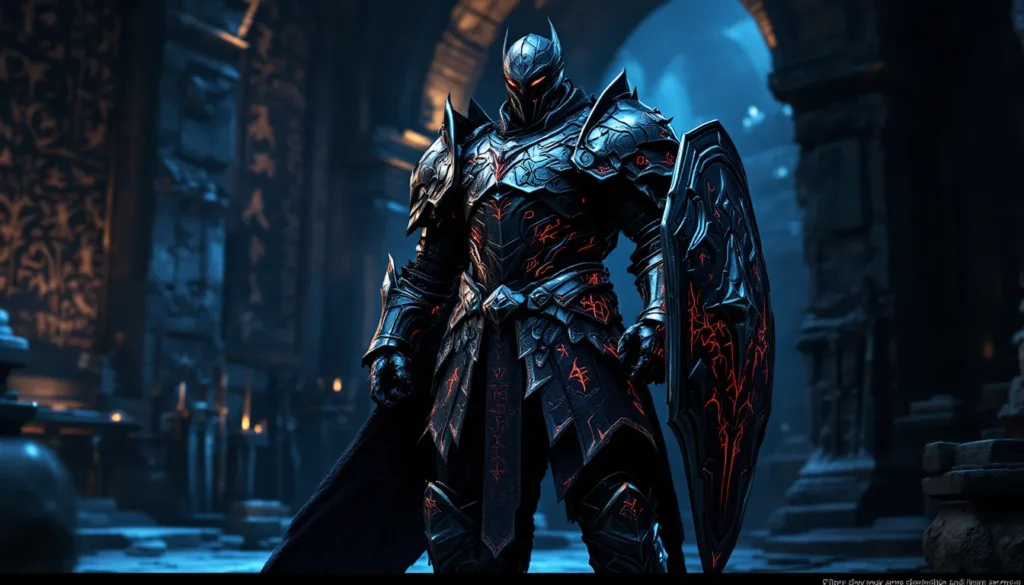
Daedric armor is a heavy armor set in Skyrim that belongs to the Daedric crafting style, armor designed with infernal aesthetics and considerable defensive capabilities. It features jagged spikes, demonic ornamentation, and a blood-red and black color scheme that immediately signals danger. The set includes a helmet, gauntlets, cuirass, legs, and boots, with an optional shield variant.
In terms of stats, Daedric armor offers a base armor rating of 60 per piece (cuirass), making it stronger than Ebony armor on a per-item basis in terms of raw protection. But, it weighs significantly more, which is the trade-off for that extra defense. Daedric armor is acquired exclusively through crafting, you can’t simply find a complete set lying around like you might with other heavy armor types. This exclusivity contributes to its prestige among experienced players.
The armor sits in an interesting position in Skyrim’s progression curve. It appears around level 40-50 as a droppable weapon and armor type from enemies, and players can craft it without mandatory difficulty gates beyond the required perks. This makes it a realistic goal for mid-to-late-game builds looking to transition into endgame gear without waiting for legendary drops.
History And Lore
Daedric armor carries heavy lore significance in The Elder Scrolls universe. It’s associated with Daedric princes, particularly Mehrunes’ Dagon and the Daedric realms themselves. In Skyrim’s context, the armor isn’t crafted from “stolen” Daedric blueprints: instead, smiths use a technique that channels infernal craftsmanship to forge armor with a demonic appearance and properties.
The lore suggests that crafting Daedric gear requires an understanding of Daedric principles and a willingness to work with dangerous materials. The in-game Daedric smithing skill requirement reflects this, only experienced smiths should attempt such work. Some players interpret the heavy weight and stat distribution as a reflection of Daedric “excess”, more ornate, more defensive, but unwieldy compared to more refined crafting styles like Elven or Glass armor.
In previous Elder Scrolls titles, Daedric gear appeared in various forms, but Skyrim’s version emphasizes the heavy armor route exclusively. This design choice aligns with Skyrim’s overall aesthetic: the province is grittier, more brutal, and less inclined toward the ornate Daedric robes of Morrowind. For role-players, wearing Daedric armor signals a character’s ambition, power, or potential corruption, a visual shorthand that communicates something significant about your character’s journey.
How To Obtain Daedric Armor
Crafting Daedric Armor
Crafting is the primary way to obtain Daedric armor. To craft pieces, you need:
- Daedric Smithing perk (unlocked after reaching 90 Smithing or by investing perk points)
- A blacksmith forge (found in major cities or player-owned homes with smithing facilities)
- Ebony ingots and Daedra hearts (core materials)
- Additional materials depending on which armor piece you’re crafting
Once you have the required perks and materials, navigate to a forge, select “Daedric Armor” from the heavy armor menu, and craft your desired pieces. Crafting a single piece takes seconds: building a full set typically requires running two or three farming sessions to gather enough materials.
The upside of crafting is control, you craft exactly what you need and can immediately upgrade pieces using the Grindstone. Newly crafted armor arrives at base quality, so you’ll want to upgrade it afterward to maximize armor rating.
Finding Daedric Armor As Loot
Daedric armor does occasionally appear as enemy drops, but it’s not common until higher character levels (40+). Daedric enemies, particularly Dremora Lords and summoned Daedra, wear the full set. Exploring Daedric-themed dungeons like Mehrunes’ Dagon shrines or Oblivion gates can yield pieces, though this is unreliable.
The armor rarely spawns in standard loot tables on lesser enemies. Some difficulty scaling mods increase the frequency, but vanilla Skyrim makes looting a secondary option at best. Most players don’t rely on finding Daedric armor as loot: crafting is far more efficient.
Purchasing From Merchants
High-level general goods merchants occasionally stock Daedric armor pieces for sale. Eorlund Gray-Mane in Whiterun, Eorland from the Drunken Huntsman, and other master-tier smiths may carry pieces after you’ve leveled appropriately. Expect prices in the 1,500–3,000 gold range per piece.
Buying from merchants is the slowest and most expensive path, reserved for players with excess gold and impatience. If you have the Smithing level to craft it, crafting will always be cheaper than buying, and you’ll save time farming materials rather than grinding gold.
Daedric Armor Stats And Equipment Breakdown
Armor Rating And Protection
Daedric armor offers some of the highest raw armor ratings in Skyrim’s heavy armor tier:
- Cuirass (chest piece): 60 armor
- Gauntlets: 13 armor each (26 total for pair)
- Legs: 34 armor
- Boots: 13 armor
- Helmet: 21 armor
- Shield: 21 armor (optional)
Full set total: ~167 armor (without shield). This ranks among the highest in vanilla Skyrim, comparable to Daedric Plate and Ebony plate. For context, a full Daedric set outperforms Ebony by a small margin, loses slightly to Daedric Plate, and trades with Dragonplate depending on how you count upgrades.
Armor rating is additive and affected by your Armor perks (Juggernaut, Fists of Steel, etc.), your total weight encumbrance, and enemy damage. Daedric’s high rating means enemies deal less physical damage to you, critical for melee-focused builds, less important for heavily perked mages using Flesh spells.
One note: armor rating follows diminishing returns. The difference between 167 and 180 armor is noticeable but not game-changing at high levels. What matters more is consistent upgrading and smart perking.
Weight And Encumbrance
Daedric armor is heavy. The full set weighs approximately 93 weight unupgraded, that’s roughly the same as a full Daedric Plate set. Breaking it down:
- Cuirass: 34 weight (the heaviest single piece)
- Gauntlets: 8 weight each
- Legs: 23 weight
- Boots: 8 weight
- Helmet: 12 weight
For comparison, Ebony armor weighs about 84 total: Daedric weighs 9 more. If you’re carrying a two-handed weapon and using a shield, you’re looking at 130+ weight before adding consumables or loot. This creates a meaningful decision: do you invest in Steed Stone, Conditioning perks, or accept reduced carrying capacity?
Most players mitigate weight through the Steed Stone blessing (+100 carry weight, no armor weight penalty), gear enchantments, or the Conditioning perk in Heavy Armor. Without mitigation, Daedric armor builds require intentional weight management.
Crafting Requirements And Materials
Perks Needed For Crafting
To craft Daedric armor, you need a single perk: Daedric Smithing, unlocked at 90 Smithing. This perk is the sole gate to crafting Daedric armor, no prerequisites or alternate routes exist in vanilla Skyrim.
Getting to 90 Smithing takes time. Most efficient routes involve:
- Crafting Iron Daggers (cheapest, slowest)
- Crafting Gold Rings (faster with transmute stone perk)
- Upgrading existing armor (fastest, requires materials)
- Crafting in-demand items like Dwarven metal, Elven gear, or enchanted equipment
Once you hit 90, spend a perk point on Daedric Smithing. You’re immediately able to craft the full set. Optional but useful perks include:
- Orcish Smithing and Elven Smithing (stepping stones if you want intermediate gear)
- Armor Mastery perks like Juggernaut (increases armor rating by 25% per rank)
- Conditioning (negates armor weight penalty)
None of these are required, but they maximize your effectiveness once you’re wearing Daedric armor.
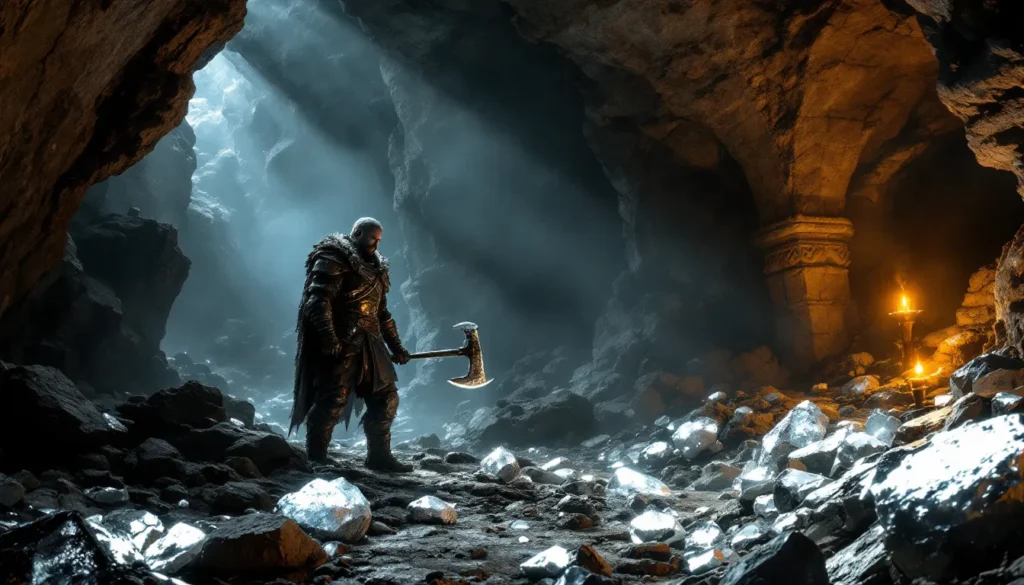
Essential Materials And Where To Find Them
Crafting Daedric armor requires two critical materials:
Ebony Ingots, The primary material. Each piece requires 1–4 ingots depending on the item. A full set needs roughly 12–14 ingots.
- Sources: Ebony ore nodes (found in Dwarven ruins, falmer dungeons, and high-level caves), Argonian smiths, general goods merchants, or smelting ebony ore at a smelter
- Farming tip: Ncor veins in Dwemer ruins respawn every 48 hours: return regularly
Daedra Hearts, The requirement that makes Daedric crafting challenging. Each piece needs 1–2 hearts. A full set requires 7–10 hearts.
- Sources: Slain Dremora Lords, summoned Daedra (via Conjuration spells), Mehrunes’ Dagon shrine offerings, or alchemy ingredient merchants
- Farming tip: Summoning a Dremora Lord via Conjuration, killing it, and looting the heart is the most reliable method. Otherwise, Dremora-heavy locations (Mehrunes’ Dagon, Oblivion gates) require combat farming
Optional materials (leather strips, iron ingots) round out the recipe, but ebony and hearts are the gating materials. Most players find hearts more time-consuming than ebony, plan your farming accordingly. Sources like IGN and other game guides often recommend summoning as the most efficient heart-farming method, particularly for players prioritizing speed over role-play immersion.
Enchanting Daedric Armor For Maximum Effectiveness
Best Enchantments For Different Playstyles
Daedric armor’s inherent stats are solid, but enchantments transform it from good to exceptional. The best enchantments depend on your build:
For Tank/Melee Warriors:
- Fortify Health (chest piece), Increases your health pool, the most straightforward defensive upgrade
- Fortify Stamina (gauntlets, legs), Enables more power attacks and weapon abilities before stamina depletion
- Resist Magic or Elemental Resistances (helmet), Reduces incoming magic damage, crucial for facing mages and dragons
For Two-Handed / Strength Builds:
- Fortify Two-Handed Damage (gauntlets), Directly increases damage output
- Fortify Stamina Regen (legs), Sustains extended combat, especially with stamina-heavy weapons like greatswords
- Fortify Health (chest), Offset the risk of aggressive playstyles
For Block/Shield Users:
- Fortify Block (helmet, gauntlets), Increases block effectiveness, reducing incoming damage further
- Reflect Damage (cuirass, legs), Returns a portion of damage to attackers
- Fortify Health (always useful)
For Spell-Sword Hybrids:
- Fortify Magicka or Magicka Regen (chest), Sustains spell casting between fights
- Resist Magic (helmet, legs), Protects against enemy spellcasters
- Fortify One-Handed (gauntlets) if using swords or daggers alongside spells
Generally, Fortify Health and Resist Magic are universally valuable. Most players enchant their full Daedric set with these two, then add role-specific bonuses to gloves and legs based on their combat style.
Tips For Efficient Enchanting
Prioritize Chest And Helmet, These give the largest stat boosts because they’re worn all the time and offer the biggest relative impact.
Use Soul Gems Strategically, Grand and Black soul gems provide the strongest enchantments. Recharging enchanted armor at soul gem altars extends durability without re-enchanting.
Craft Custom Enchantments, Avoid “generic” enchantments sold by merchants. Use the enchantment table to craft dual-enchantments if you have the perk: combining Fortify Health + Resist Magic on a single piece nets more power than single-enchantment pieces.
Upgrade Before Enchanting, Upgrading armor at a grindstone before enchanting increases the armor’s base rating, which scales with some enchantment effects. Always upgrade first.
Experiment With Paralysis Or Poison Resistance, For dangerous encounters (like the Ultimate Guide to Skyrim Collectibles mentions for specific builds), enchanting legs or gloves with Paralysis Immunity or Poison Resistance covers niche threats without sacrificing core bonuses.
Efficient enchanting turns decent armor into a cornerstone of your build. Don’t sleep on it.
Daedric Armor Vs. Other Heavy Armor Sets
Daedric Vs. Deadric Plate
Daedric Plate is Daedric armor’s “upgraded” variant, available once you acquire the Daedric Plate Smithing perk (requires Daedric Smithing + 100 Smithing). The comparison is straightforward:
Daedric Plate wins on:
- Armor rating: Daedric Plate offers ~5–8 more armor per piece
- Prestige: Reaching 100 Smithing feels like an achievement
Daedric wins on:
- Availability: Accessible at 90 Smithing, saving 10 levels
- Material cost: Requires fewer rare materials (no Ebony or Daedra hearts beyond standard Daedric)
- Practicality: Good enough for endgame content
The verdict: If you’re committed to maxing Smithing, Daedric Plate is objectively superior. If you want respectable heavy armor earlier, Daedric is excellent and sufficient. Most players settle on Daedric rather than grinding the final 10 Smithing levels.
Daedric Vs. Ebony Armor
Ebony armor is the heavy armor tier immediately below Daedric, craftable at 80 Smithing. It’s one of Skyrim’s most aesthetically appealing sets (sleek black with gold accents).
Daedric advantages:
- Higher armor rating: ~5 more armor per piece
- Faster crafting: Takes 3–4 sessions instead of 5–6
- Thematic power: Visually dominating
Ebony advantages:
- Lighter weight: Roughly 9 weight less for the full set
- Earlier availability: Craftable at 80 Smithing
- Material efficiency: Requires only Ebony ingots (no hearts)
- Better aesthetics (subjective, many prefer Ebony’s elegance)
The verdict: Ebony is the smarter practical choice for most playthroughs. Daedric is the choice for players who specifically want maximum armor rating or the demonic aesthetic. Both are excellent, and the gap is small enough that enchantments matter more than the base set choice.
Daedric Vs. Dragonplate Armor
Dragonplate armor is Skyrim’s tier-defining heavy armor, unlocked at 100 Smithing (via Daedric Plate perk first). It’s the ultimate heavy armor flex.
Daedric advantages:
- Availability: Craftable 10+ levels earlier
- Lower material barrier: Easier to farm hearts and ebony
- Good-enough stats: Armor rating is close to Dragonplate
Dragonplate advantages:
- Highest armor rating: ~8–10 more armor per piece (cumulative, the gap is significant)
- Prestige: 100 Smithing is a real achievement
- Scaling: Dragonplate scales better with perks and upgrades
- Unique appearance: Dragon bone armor has iconic status
The verdict: If you plan a long playthrough and want the absolute best, grind to Dragonplate. If you’re satisfied with “top-tier” and want to stop leveling Smithing, Daedric is a legitimate endgame choice. Most hardcore players aim for Dragonplate: casual players often settle on Daedric and are happy with the result.
Advanced Strategies For Using Daedric Armor
Building A Daedric Warrior Character
Daedric armor shines on melee-focused characters. A complete build around it might look like:
Combat Style:
- Primary weapon: Two-handed greatsword or axe (pairs thematically with demonic armor)
- Secondary: One-handed sword + shield for tanking
- Fallback: Spells like Mayhem or Paralyze
Perk Distribution:
- Heavy Armor: Juggernaut (all 5 ranks), Unrelenting Force, Reflect Damage
- Smithing: Orcish, Elven, Advanced Armor, Daedric
- Two-Handed: Barbarian (all 5 ranks), Champion’s Stance, Devastating Blow
- Block: Shield Mastery, Elemental Protection
- Restoration: Respite (allows healing while power attacking)
Stat Priority: Health > Stamina > Magicka (roughly 3:2:1 for two-handed builds)
Playstyle: Charge in, use two-handed power attacks to stagger and interrupt enemies, alternate with shield blocking when facing multiple threats. Daedric armor’s weight is less punishing with proper perking, and the high armor rating lets you play aggressively.
Combining Daedric Armor With Weapons And Spells
Daedric isn’t exclusive to pure warriors. Here’s how to integrate it into hybrid builds:
Spell-Sword (Magicka + One-Handed):
- Enchant with Fortify Magicka, Magicka Regen on chest and gloves
- Carry a one-handed blade (iron, steel, or glass) enchanted with Chaos Damage or Fire Damage
- Use Conjuration or Destruction spells between melee bursts
- Daedric armor’s weight is manageable with fewer other items
Warrior-Mage (Destruction + Heavy Armor):
- Focus on Fortify Health and Resist Magic enchantments
- Pair Daedric armor with destructive spells (Fireball, Ice Spike)
- Lean into heavy armor perks and spell perks equally
- Position yourself at mid-range, cast spells, retreat if overwhelmed
Summoner (Conjuration + Melee):
- Enchant Daedric armor with Fortify Conjuration (if using mods) or standard Health/Resist bonuses
- Summon Daedra or Dremora Lords to tank damage while you attack
- Daedric armor is thematically perfect for summoner builds using Daedra
The key is treating Daedric armor as a foundation, not a limitation. Its stats support multiple playstyles: the weight and appearance are the only real constraints. Resources like Twinfinite provide detailed build guides for hybrid approaches if you want to explore further.
Mods And Enhancements For Daedric Armor
Visual Enhancement Mods
Vanilla Daedric armor is visually striking, but mods elevate it further. Popular visual mods include:
Daedric Armor Retextures (various authors), High-definition textures that add grime, wear, and metallic detail. These mods replace the default red-and-black palette with variants ranging from blood-red to obsidian black.
Immersive Armor, Adds variant Daedric pieces (shoulderguards, tassets, pauldrons) and a Daedric Plate visual overhaul. This mod is massive and integrates seamlessly with vanilla armor.
aMidianborn Book of Silence, Comprehensive retexture that makes Daedric armor grittier and more menacing. Works on PC and some console ports.
CGO (Combat Gameplay Overhaul), Adds unique Daedric weapon variants (scimitars, polearms) to match the armor set visually.
These mods don’t change stats: they purely visual enhancements. PC players have unlimited options: console players (PS4, Xbox One) can access some via Creation Club, though selection is limited.
Balance And Gameplay Mods
Balance mods tweak Daedric armor’s stats or crafting requirements:
Ordinator (Perks of Skyrim), Overhauls the perk system, including Smithing. Daedric armor gains additional perks and crafting options: its acquisition feels less gated.
Morrowloot Ultimate, Rebalances all armor and weapons. Daedric armor becomes rarer and more prestigious, appearing only in late-game loot.
Alchemy and Cooking Overhaul, While focused on alchemy, integrates with Daedra heart acquisition, making hearts available via alchemy instead of pure combat farming.
CACO (Complete Alchemy & Cooking Overhaul), Similar integration, adds alchemy recipes for rare ingredients like Daedra hearts.
Apocalypse – Magic of Skyrim, Adds new enchantments (like Fortify Unarmed Damage, Paralyze Immunity) that pair well with Daedric armor.
These mods suit players wanting more challenge, variety, or lore-accurate balance. Vanilla players should stick with vanilla: modded players have flexibility to customize Daedric armor’s role in their save. For specific recommendations, game guides on Game8 often recommend balanced overhauls depending on playstyle.
Note that mods can conflict: always check compatibility before installing multiple balance mods simultaneously. Modding communities on Nexus Mods provide conflict resolution patches when needed.
Conclusion
Daedric armor represents a significant milestone in any Skyrim playthrough. It’s not the absolute top-tier (that’s Dragonplate), but it’s close, visually commanding, and achievable through directed effort rather than grinding endgame content for months. The path to crafting and perfecting it, reaching 90 Smithing, farming Daedra hearts, enchanting strategically, teaches core Skyrim progression systems while rewarding you with armor that feels earned.
For warrior builds, spell-swords, or anyone wanting to look absolutely intimidating while exploring Skyrim’s dangerous world, Daedric armor delivers. The weight is manageable with proper perking, the armor rating stands up to endgame threats, and enchantments transform decent base armor into a personal powerhouse. Whether you’re pursuing the Skyrim Dawnguard DLC vampire hunts or facing the Skyrim Ebony Warrior late-game challenge, Daedric armor provides the stats and style to handle it.
Start farming those Daedra hearts, hit the Smithing milestones, and don’t skip the enchanting phase, you’ll emerge with armor that’s genuinely powerful, thematically cohesive, and a genuine visual statement about the character you’ve built. That’s the appeal of Daedric armor in Skyrim: it’s not just gear, it’s a declaration.